
In our Elementary Nutrition course, we discuss the difference between essential and non-essential nutrients and my expectation is that at the end of the course, students will have a solid grasp on how intricately God created our bodies to utilize the fuel we consume in our food. While teaching courses in health education, I am constantly astounded at the applications to all areas of our life that can be explained through understanding nutritional concepts and their importance to creating a life that flourishes in its physical health.

Just as we should include a colorful diet full of red, orange, and green fruits and vegetables to nourish the physical body for optimal growth, we must also consider the relationships in our lives at various levels which contribute to our spiritual and professional growth. In his work entitled People Fuel, John Townsend paints a portrait of what he calls relational nutrients which are essential for life to function according to God’s design. “The idea is simple: we need to need each other. People are the fuel for us to grow, be healthy, and prosper. God created a system in which we are to need not only him but also one another. That means we need to know what we need, recognize who can supply it, and have the skills to get it.”
Townsend, through the 22 relational nutrients, emphasizes the premise for the mentoring model which is being developed; however, after reading People Fuel, I see a possible transition from using the term “mentor” and replacing it with “coach.” We will see where that leads at a later time. Reading through Townsend’s explanation for God’s design for us to need each other, I am reminded that creating relational equity moves both vertically and horizontally where God provides for our needs directly and through other people. Equipping emerging adults with a tool to assist them in identifying the people who might support their personal and professional growth is the goal of the mentoring/coaching model.
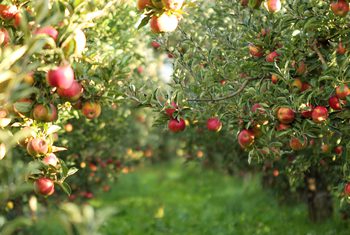
In a model shaped like a tree, Townsend outlines “three fruit categories (personal, people and performance) by which all of us measure our lives, happiness, and success.” The relational equity we create by being nutritionally balanced determines whether we produce healthy or unhealthy fruit. “If you have productive habits, positive thoughts, the right core values, and healthy emotional expression in important relationships in which you can be vulnerable, be yourself, and disagree and solve problems, those are good indicators of a healthy, happy [flourishing] life. Not a perfect one but one anyone would want.”
To support the branches which produce the fruit, one needs the trunk of character which is sustained by four character-capacities: bonding, boundaries, reality, and capability. Underneath the trunk of character, one finds the soil ingredients where if she takes “the right essentials from the right soil to grow strong enough and healthy enough to bear the right kind of fruit. And that sums up the point of this entire book: to the extent that we receive the right nutrients, we bear the right fruit in life. Instead of yelling at the fruit, help yourself and help those you live with or work with to dig deep, identify what is needed, and take in the proper elements of growth.”
In order for us to flourish both personally and professionally, we must continually grow throughout our lifespan and who we choose to invest relational equity in contributes to the amount in which we will flourish. Townsend continues to describe the various relationships in our lives, mirroring Spaulding’s Five Floors of Relationships, but using the term casuals [first floor] and Life Team members [Fifth Floor, Posse, PBOD, etc.]. We must be willing to give others the relational nutrients they need while also receiving the essential nutrients where we are deficient. These mutual relationships are necessary in providing a sustained nutritional balance so that when a crisis comes, we are healthy enough to weather the storm.
“We take in relational nutrients which build strong and healthy character. The substances become a permanent part of us, in the same way that biological nutrients are the building blocks of our body…That’s why we are responsible to ask for relational help not just in a crisis but on a regular and sustained basis for the rest of our lives. So many people shy away from going to others for their needs, until their back is against the wall. But that does not provide the growth and strength they require to be a mature and developed person. This is about a lifetime habit of growth!”
Considering Townsend’s Growth model for maintaining relational nutritional health, what are the essential nutrients in your life that support personal and professional growth?
 Flourishing @ Life
Pingback: The Habit of Deep Work – Flourishing @ Life
Pingback: The Habit of Growth – Flourishing @ Life
Pingback: Bridging the Generational Gap – Flourishing @ Life
Pingback: In the Zone – Flourishing @ Life
Pingback: Leaders Who Flourish – Flourishing @ Life
Pingback: RQ – Flourishing @ Life
Pingback: The Three, the Twelve, the Others – Flourishing @ Life
Pingback: Amigos, Associates, Assignments, and Advisers – Flourishing @ Life
Pingback: Corner Four Relationships – Flourishing @ Life
Pingback: Fueling Stations – Flourishing @ Life
Pingback: TransforMissional Leadership – Flourishing @ Life
Pingback: A La Carte – Flourishing @ Life
Pingback: Side-by-Side Conversations – Flourishing @ Life
Pingback: Unexpressed Gratitude – Flourishing @ Life
Pingback: Find Your Flame – Flourishing @ Life
Pingback: Teach Me – Flourishing @ Life
Pingback: Fillers and Dippers – Flourishing @ Life
Pingback: Borrow a Map – Flourishing @ Life
Pingback: Be A Spoon – Flourishing @ Life
Pingback: Taking Turns – Flourishing @ Life
Pingback: Enjoy the Process – Flourishing @ Life
Pingback: Dead People – Flourishing @ Life
Pingback: Flourishing Culture – Flourishing @ Life
Pingback: 50 Yards – Flourishing @ Life
Pingback: Roots Before Fruit – Flourishing @ Life
Pingback: Tuesday People – Flourishing @ Life
Pingback: Where’s the Beef? – Flourishing @ Life
Pingback: Just Walk – Flourishing @ Life
Pingback: Never-Failing Friend – Flourishing @ Life
Pingback: Aggravation – Flourishing @ Life