
Developing relational equity with other individuals is not a one-size-fits-all for every person we encounter in our lives; however, there are some basic expectations for social or conversational etiquette that are typically learned as we mature in our relationships with those around us. As relationships evolve from weak ties to strong ties or from first floor to fifth floor, the depth of conversation expands also. But as communication methods continuously develop, I am concerned that society may be regressing in their attempts to communicate well and without quality communication, creating relational equity may be hindered.
Viewing an episode of ABC’s The Good Doctor recently, I was intrigued by the storyline of the episode where Dr. Shaun Murphy, an autistic surgeon, attempts to discuss with his friend, Claire, a recent date with his girlfriend, Carly. As the two doctors discuss the latest date, Shaun mentions the 83 questions he had asked that night such as “How many children do you want to have?” and “What religious tradition will you raise them?” Claire attempts to explain that early in relationships, people usually stick to lighter topics such as favorite things and other small talk.
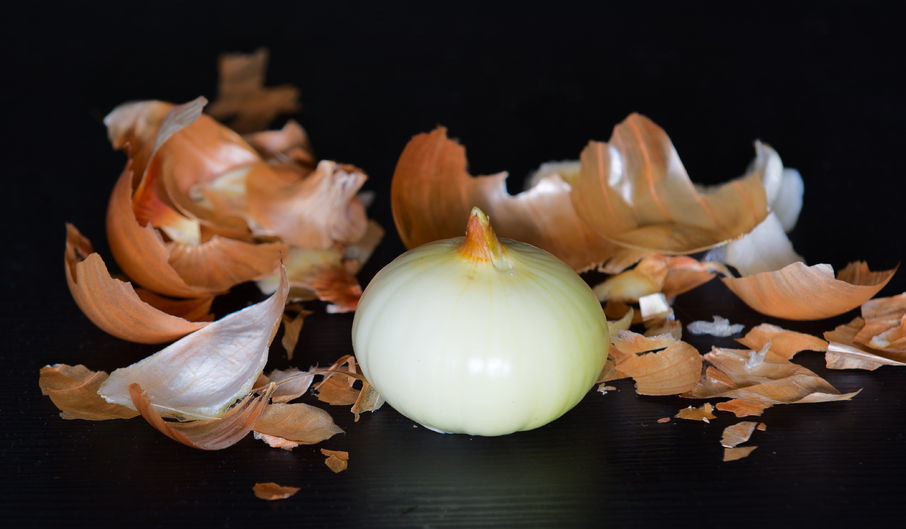
As Shaun attempts to understand the nuances of dating, which are difficult for him, as he and Claire stand in a surgery observation room, he poses the question, “Isn’t the point of dating to gather information to determine compatibility?” Claire’s analogy is an attempt to help him understand, “It’s a process, Shaun, like peeling an onion. People are more comfortable revealing their layers gradually, as opposed to getting sliced right down the middle.” When Shaun begins to stress over the fact that they did not schedule a second date, he agonizes, “I sliced instead of peeled!”
As I ponder the intricacies of conversation along with humble inquiry and a listening life, I wonder how many times we might slice instead of peel, or a more disturbing occurrence is that we never even begin the peeling process, much less slice into the deeper realms of a person’s soul. Considering these issues has forced me to reflect and review my conversations over the past few weeks. Reading back through text messages, how many times did I tell instead of asking a question to gain insight into a “heart drop”? Were there missed moments when an humble question and time spent listening to the answer would have been a better option?
Perhaps it’s the investigative nature of the way God formed my personality, but there is a sincere desire to know and understand those around me. There are times when I am disappointed after spending hours with friends or family, that no questions were posed, rather the time together was spent listening to another tell. The conversation managed to parry back and forth but there appeared to be no inquiry expressed by the other, and in that case, a slice would have been preferable to no peeling. Perhaps I emit a vibe that communicates “I don’t want you to know me,” and that is a weakness to be strengthened.

Returning to the issues of modern communication, how can we teach emerging adults to ask quality questions? Dr. Murphy asks, “Why does it matter what questions are asked when the answers are what’s important?” Yes, ultimately, it is the answers that matter; however, I am challenged to believe that we can do better than just transfer information from one source to another and begin the process of peeling the onion in efforts to understand those in our sphere of influence on a deeper level. If we fail to learn about others, how will we know if we are compatible as companions, colleagues, or mentors?
The challenge I am issuing to myself and to the readers here is to reflect on your conversations this past week from face-to-face encounters to text messages to email. Tally how many incidences occurred where you posed a question that led to knowing a person more deeply? Now, tally the times when you were telling rather than asking. If we are not modeling the behavior we desire to see flourish in others, how can we expect younger generations to develop deep and meaningful relationships when they have modern communication technologies hindering their growth in this area?
 Flourishing @ Life
I Sliced Instead of Peeled truly identifies our unawareness of how we can appear in a relationship. I know that Shaun in the Good Doctor had good intentions in his questions to his date, but he was unaware of the impact that could have to his relationship. For example, in my communications course we have learned that each of us have boxes to describe us: public, blind, hidden, and unknown. No one knows what fills the unknown box, but there are several things that are hidden about us that we tend to cover up. By slicing instead of peeling, the attempt to uncover these traits can often come out too quick and can hinder the relationship in all. By acknowledging this, we can be more aware to those we encounter and respect their need for hiding parts of themselves.
LikeLike
Excellent job connecting the concepts from one class to another situation here. Your communications’ professors would be happy about this application.
LikeLike