
Recognizing that other people may not track with my philosophy that one should view an athletic event or a college classroom as an opportunity to demonstrate hospitality, my hope is that even those who disagree will be able to connect with the concept of a Hospitable Leader. Author Terry A. Smith invites us to ponder this issue as “a way of approaching everything…people are longing for more hospitable leaders who create a climate of invitation and welcome that allows all kinds of people to work together in unity to heal the brokenness that is all around us.” Perhaps I’ve been jaded by my transactional experience with Wyndham as outlined in the Toilet Paper blog post, but I will continue to set high expectations for the cultures I am a part of and believe in my heart that hospitality cascades through a team, an organization, and into the lives of those being served.
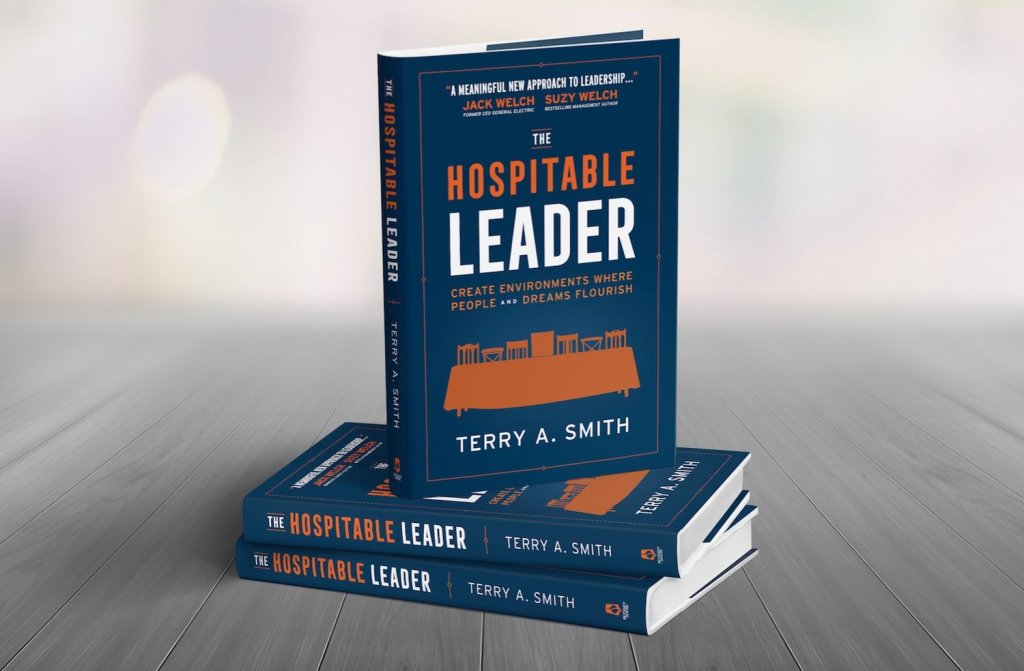
In The Hospitable Leader: Create Environments Where People Dream and Flourish, Smith organizes the writing into five welcomes: (1) home, (2) strangers, (3) dreams, (4) communication, and (5) feasts. “Welcome One: Home more fully introduces the concept of hospitable leadership and makes the case that productive hospitality is rooted in the idea of home and warm hearts. Welcome Two: Strangers invites you to consider the revolutionary possibilities of practicing a radical hospitality that welcomes every stranger as a potential messenger from God and offers resistance to the relational division in our world. Welcome Three: Dreams alerts us to the opportunity to be intentionally hospitable to dreamers and their dreams and to help their dreams come true in their Area of Destiny. Welcome Four: Communication clarifies that hospitality is not a vague sentimentality but that hospitable communicators create space where transformative truth can be spoken. Welcome Five: Feasts speaks to the leader’s state of being and shows us that if our leadership is going to feel like a feast, then we must learn to be intentional about hope and happiness and enjoy the feast of life.”
Knowing that one of the desired traits for two generations currently in the workplace, Millennials and Gen Z, is for their vocation to have purpose and meaning; it becomes especially vital for leaders to consider adopting a hospitable leadership approach. Each of Smith’s five welcomes touch on this aspect of work satisfaction. “Hospitable leaders create environments where people and dreams flourish…Hospitable leaders create space physically, spiritually, emotionally, and relationally where all other forms of moral leadership can be employed.”
I don’t know about you, but I see myself thriving in an organization with a hospitable leader as described above; and in some small way, I hope that by creating a Hospitality Room for my students, they will be free to dream of situations where they can thrive and flourish. “Leaders have inordinate power to create environments where dreamers and their dreams can flourish. Conversely, leaders also often have the terrible power to engender environments where dreamers are discouraged and their dreams are crushed.” When I consider atmospheres where dreams are crushed, I am reminded of Jon Gordon’s concept of Energy Vampires, so rather than suck the dreams out of my students, my desire is to promote hospitality to their dreams by being a good shepherd.
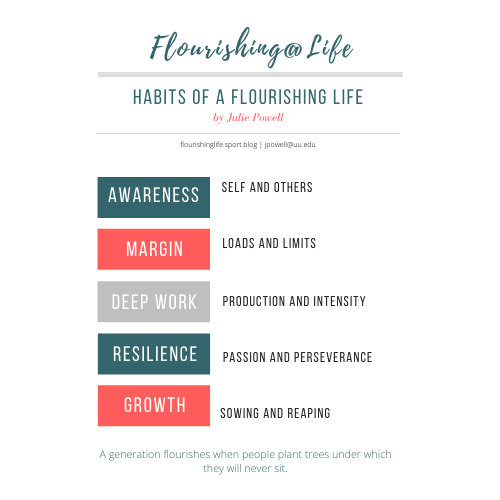
Although there is no predicting what positions or vocations my students will choose for themselves, my dream for them is explore, through a Habit of Awareness, to understand how God made them and to comprehend how their giftedness fits into a bigger plan for this world. By serving as a good shepherd, hospitable leaders have an opportunity to guide others so that “when people hear your voice, they want to follow you. They know that you will lead them to green pastures and quiet waters and soul-refreshing righteous possibilities. You do not rule people. You lead them. And you do not only care for their present needs, but are always promising more and better life than they ever dreamed of. You are a good shepherd. You are hospitable to people and their dreams.”
As you ponder personal experiences with leadership, does someone come to mind who demonstrates hospitable leadership? Do any of Smith’s five welcomes resonate strongly with you? Do you have dreams which need encouragement from others, especially organizational leaders, to flourish? Please feel free to share in the comments below.
References:
 Flourishing @ Life
I appreciate this post so much. Too often, leaders are not any of the examples that you welcomed. They are in it for the money, bottom line or plain greed. I don’t understand how people do not understand that employees will flourish when given a safe workspace. When they can take a day off for mental health, when they can express their thoughts or feelings. Thank you!
LikeLike
I think this topic is very important to every leader out there and anyone who plans to be a leader. Essentially, we are leaders of our own. If you can not lead yourself by having good moral principles there are minimal chances for you to lead other people. Talking of hospitable leader, is something crucial because, a lot of people in working environment feel more saver when their leaders care about them and make them feel free “feel like home” environment. Being nice to people and treating people equally is something very important. I appreciate how this post explains the importance of great leadership through hospitality.
LikeLike