
In the Logos at Union University located on the second floor in the east end of the beautiful domed building is an area where the Center for Faculty Development places materials that might be of interest to our faculty. The only downside to visiting this space is that when my intention is to locate one particular book, I rarely descend the curved staircase without two or three more volumes to add to my reading stack. The latest addition is Stephen Brookfield’s The Skillful Teacher which has numerous practical ideas to easily implement into any classroom in order to engage and equip students for optimal learning. In addition to providing wisdom from 45 years in education, Brookfield offers “down to earth advice to new and seasoned teachers alike.”

As an educator who is constantly on the prowl for various teaching strategies, Brookfield offers some well-known methodologies with excellent explanations while also addressing the pressing issue that technology impacts the way in which students approach education today. From outlining techniques for creative lecturing to approaches for leading class discussions, The Skillful Teacher offers advice not only for teachers but for anyone who speaks in front of an audience or group. “I hope to show college teachers as flesh and blood human beings full of passions, foibles, and frailties. I want to understand how we can celebrate the messiness of teaching and how we can thrive [flourish] in ever more diverse classrooms.”
A key take-away for me from Brookfield’s writing emphasizes that teaching is messy and that floundering when attempting to integrate a new methodology in class is acceptable, and even those of us who have been engaged in the process for multiple decades, make mistakes. “There is nothing worse as a teacher than feeling that everyone else in your institution is in complete command-cool, calm, and collected paragons of pedagogic virtue-while your own classrooms never seem to conform to the plans you have developed for them. You think that everyone else’s students are diligent, smart, and cooperative, while your own are truculent saboteurs, and that any problems you face have been created by your own incompetence.”
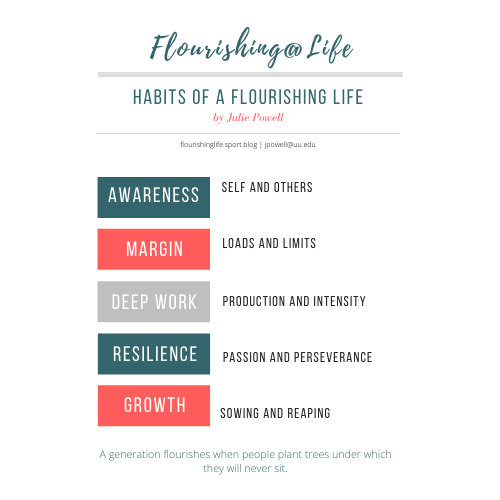
Brookfield offers “four core assumptions that inform the book: that skillful teaching boils down to whatever helps students learn, that the best teachers adopt a critically reflective stance toward their practice, that the most important knowledge we need to do good work is an awareness of how students are experiencing their learning and our teaching, and that we should always aim to treat students as adults.” Supporting the idea of creating a Habit of Awareness, Brookfield encourages us who are leading emerging adults to not only know ourselves, our talents, and our biases, but to be aware of how learners change and to intentionally consider how our students learn best. Choosing a variety of teaching methods speaks to different learning styles for students while also challenging the teachers to remain engaged in what may have become a very familiar topic. A wise and witty mathematics teacher, Dr. Chris Hail, once shared in a conversation that sometimes we forget that our students may be hearing concepts for the very first time. If we are an educator in the Season or Post-Season stages of our careers, we may have covered this material so often that it becomes easy to lose perspective on the challenge that learning something new can be.
Taking into account the uniqueness of Generation Z and the ways in which they learn, Skillful Teaching “lies in the teacher constantly researching how her students are experiencing learning and then making pedagogic decisions informed by the insights she gains from students’ responses. The predictable rhythms of student learning, the importance of teachers’ displaying credibility and authenticity, the need to vary instructional approaches” become essential elements to reaching students of all generations.
In the last chapter of the book, Brookfield offers 16 maxims of Skillful Teaching for staying sane in this world of academia. I do consider Skillful Teaching to be a pilgrimage that occurs over long periods of time, with many detours and obstacles along the way, and utilizing the resources of experienced and wise mentors, like Brookfield, who has navigated the path ahead, can assist both seasoned and newly minted educators. Please feel free to share in the comments below any resources you have found to be particularly helpful in your career, whether an educator or someone in another profession.
Brookfield’s 16 Maxims of Skillful Teaching:
- Attend to Your Emotional Survival
- Expect Ambiguity
- Perfection is an Illusion
- Ground Your Teaching in How Your Students Are Learning
- Be Wary of Standardized Models and Approaches
- Regularly Learn Something New and Difficult
- Take Your Instincts Seriously
- Create Diversity
- Don’t Be Afraid to Take Risks
- Remember That Learning is Emotional
- Acknowledge Your Personality
- Don’t Evaluate Yourself Only by Students’ Satisfaction
- Remember the Importance of Both Support and Challenge
- Recognize and Accept Your Power
- View Yourself as a Helper of Learning
- Don’t Trust What You’ve Just Read
References:
 Flourishing @ Life