
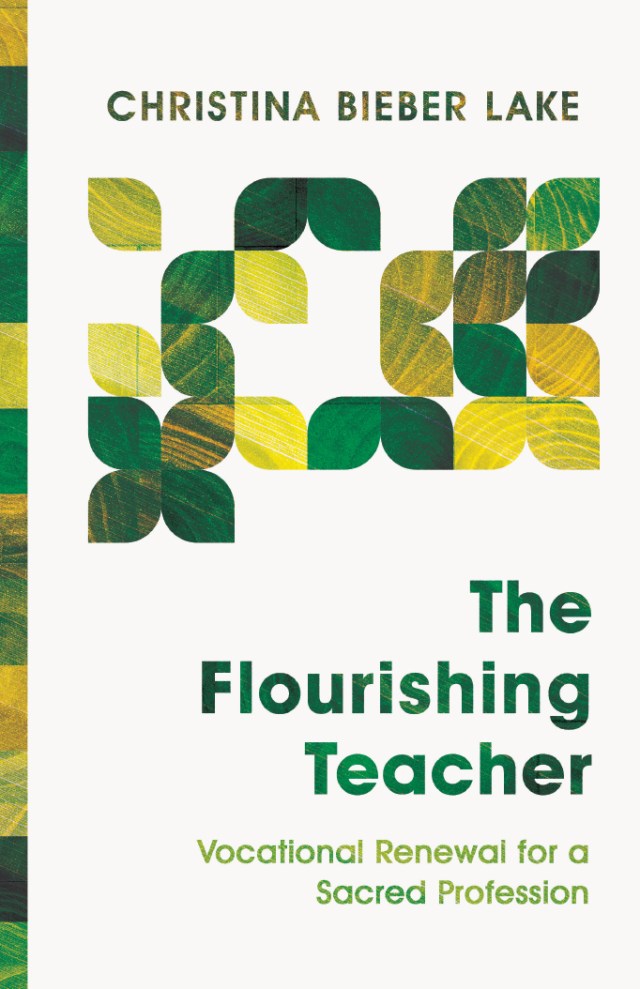
It’s pronounced hoo-gah. See, reading does make you smarter, even if it’s just a weird educator’s blog post! Being introduced to this Danish term in The Flourishing Teacher, I was intrigued enough to search for more as I felt it captured an important component of a flourishing life. Lake launches this concept as she describes a communication with friends where she admitted, “My motivational spring is broken…Call it what you will: your soul, spirit, psyche, or inner torque-whatever that thing is that makes you want to get up in the morning-sometimes that thing gets plumb wore out.”
Haven’t we all been there? We enter a bleak period, whether it’s related to something external like poor weather or an internal frustration like feeling overwhelmed, there is something broken. Lake praises those who recognize this moment, “The good news is that acknowledging that you feel this way can be very powerful. It is the first and most important step towards flourishing as a teacher.” So, if taking a Sabbath or an extended period off is not an option and you need some perseverance, what possibilities exist?
Let me offer a proposal to consider placing the ideas of hygge into practice, but first let me see if I can paint a picture of what appears in my mind that captures the concept. It’s a cold January day, the temperature is in the low thirties with a brisk wind that steals a little of your breath away. Now, the idyllic setting for this painting is in a cozy lodge built with large timbers and decorated in Alpine chic situated in the Canadian Rockies with snow-capped peaks and piles of pristine snow (rather than a French country home in Tennessee with the only scenery being my neighbor’s house across the street). Sitting in a comfy chair with the soft lighting of a lamp, a blanket, an intriguing book, and a mug of hot chocolate, the only sounds you hear are the roaring embers from the fireplace. This is hygge.
“Hygge is about an atmosphere and an experience rather than things. It is about being with the people we love. A feeling of home. A feeling that we are safe, that we are shielded from the world and allow ourselves to let our guard down. It might be having an endless conversation about the small of big things in life, enjoying the comfort of someone else’s silent company, or simply enjoying a cup of tea by yourself,” shares Lake.

Perhaps I’m drawn to the concept of hygge because I see connections to the spiritual discipline of hospitality which is as much about emotion as it as about action, but for a person to flourish, there is a need to tend to the internal needs, to slow down and find renewal. The Manifesto as outlined in The Little Book of Hygge addresses 10 areas of focus in creating this feeling: (1) atmosphere (specifically lighting); (2) presence; (3) pleasure; (4) equality; (5) gratitude; (6) harmony; (7) comfort; (8) truce; (9) togetherness; and (10) shelter. Personally, these areas are what I would use to describe a home. Wiking states that it’s like a hug without touching, something we should easily relate to during the COVID pandemic.
Wiking in his study of happiness shares that “the best predictor of whether we are happy or not is our social relationships. It is the clearest and most recurrent pattern I see when I look at the evidence on why some people are happier than others. The question is then how to shape our societies and our lives to allow our social relationships to flourish.” We can accomplish this through the practice of hygge. During hygge, the body will release a “social glue” in the hormone oxytocin, so hygge is all about oxytocin.
“Time spent with others creates an atmosphere that is warm, relaxed, friendly, down-to-earth, close, comfortable, snug, and welcoming. In many ways, it is like a good hug, but without the physical contact. It is in this situation that you can be completely relaxed and yourself. The art of hygge is therefore also the art of expanding your comfort zone to include other people.” And thankfully, for introverts like me, this practice can be done in small groups!
Consider the ways you practice hygge in your life. Are there specific locations where you are able to find this atmosphere of home, of peace, of stillness? Please feel free to share in the comments below.
References:
Lake, C.B. (2020). The flourishing teacher: Vocational renewal for a sacred profession. IVP Press.
Wiking, M. (2017). The little book of hygge: Danish secrets to happy living. William Morrow.
 Flourishing @ Life
Pingback: Hearth Places – Flourishing @ Life