
With a wrinkled brow and pursed lips (maybe even with an Elvis side curl), has the question ever popped into your mind, “Were we in the same meeting?!?” Has this thought ever materialized after listening to another individual describe their perspective on something you both heard? If not, then I question your honesty! For real, because I just cannot fathom this is a unique occurrence for me in a world where we all communicate so differently.
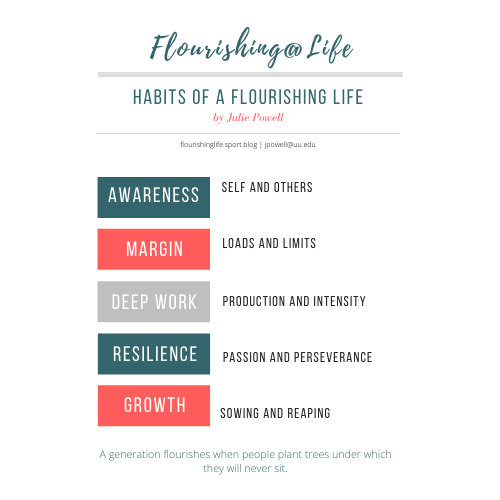
One of the themes that is continually emerging as I research the Habits of a Flourishing Life is, of course, the importance of quality communication. Whether the concern is expressed from the leader of a global organization, a family member, a life coach, or a college professor, a desire seems to exist that if we could find the magic formula for communication, life would proceed down a much smoother path. During my reading this week while investigating approaches to asking better questions in order to coach students to find answers rather than being provided the answers, I stumbled across the term Confirmation Bias; and naturally, this led to more intrigue, which steered me to some interesting material, especially considering the divisive issues currently existing in our country.
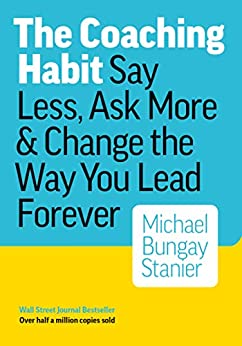
Patrick Healy from Harvard Business School defines Confirmation Bias as “the human tendency to search for, favor, and use information that confirms one’s pre-existing views on a certain topic. It goes by other names, as well: cherry-picking, my-side bias, or just insisting on doing whatever it takes to win an argument.” Confirmation Bias can become a relevant issue in all types of conversations from group meetings to personal dialogue because we hear what we want to hear, if we are even listening at all! According to Michael Stanier, we might even be fake listening which “sets the stage for plenty of frustrating exchanges.” Stanier’s advice in The Coaching Habit mirrors the concepts introduced in Humble Inquiry where the idea is to draw someone out in efforts to better understand them through asking quality questions. Through an improvement in our inquiry methods, we reduce the occurrence of Confirmation Bias by asking clarifying questions in an authentic attempt to understand; therefore, improving our conversations with others.
In addition to impacting what we hear in a meeting or how we converse with a loved one, Confirmation Bias emerges in many facets of our life, from what we view on social media to how we relate to members in our own household to how we interact with neighbors of a different faith or ethnic background. There is an entire rabbit hole for me to explore here in future posts with connections to personal, professional, and spiritual development and the habits we create.
So, now that Confirmation Bias is on my radar, I am challenged to be even more intentional about the quality of the questions I ask so that I am not hearing just what I want to hear but am truly listening to what the other person is actually saying!
References:
Healy, P. (2016, August 18). Confirmation bias: How it effects your organization and how to overcome it. Business Insights. Harvard Business School. Retrieved from https://online.hbs.edu/blog/post/confirmation-bias-how-it-affects-your-organization-and-how-to-overcome-it#:~:text=Confirmation%20Bias%20in%20the%20Workplace&text=Confirmation%20bias%20is%20the%20human,takes%20to%20win%20an%20argument.
Stanier, M.B. (2016). The coaching habit: Say less, ask more, and change the way you lead forever. Box of Crayons Press.
 Flourishing @ Life
This entry reminded me of a topic we discuss in sociology called reading generously. Essentially, the purpose of reading generously is to try to understand someone else’s point of view before judging the work, either negatively or positively. I have definitely been that person that can occasionally block out someone’s voice, but I don’t know if it is because I was being biased or if I was just uninterested. Obviously, asking questions helps both persons in the conversation engage with each other. That being said, I think that asking questions is a great solution to the bias or inattentive problem.
-Elyssa Smith
LikeLike
Pingback: Ordinary Blog – Flourishing @ Life
Pingback: Won’t You Reconsider? – Flourishing @ Life