
Why is it that we are willing to roll the dice when considering relationship management? Rather than implementing a strategy (such as developing a Habit of Awareness), we choose relationships based on feeling, with very little discernment. In other areas, we consider carefully how to craft a realistic plan and set strategic goals that allow us to accomplish our dreams, but we allow fate to determine one of the biggest influences in our life? As a Christ follower, I pray first and foremost that the Lord will bring amazing people into my life and that He will open my eyes to see how I can return friendship; however, there should be an intentional effort to acquire relational intelligence so that we can “effectively accomplish our purpose” in life alongside one another.
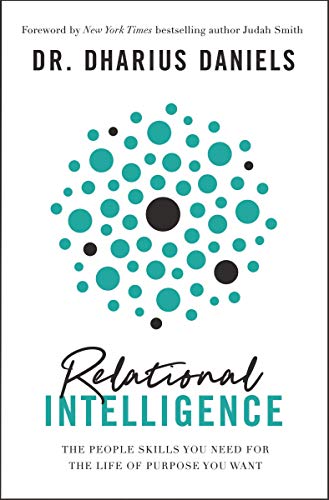
When describing the various types of relationships one might encounter that assist in developing people skills, Daniels’ categories mirror those of other authors shared in this blog, so I once again offer another perspective on the importance of understanding the relationships God delivers into our lives. Daniels, in his book Relational Intelligence, shares four categories in which one might define their relationships:
- Friends/Amigos– (I could not resist the temptation to use alliteration here): “people where there’s a mutual interest in being present for each other, supporting one another, and doing life with each other.”
- Associates: “someone you’ve developed a relationship with, but the relationship is merely the consequence of intersecting schedules, where we work together, we go to school together, or we attend the same gym, and as a result, we have a relationship. But the kind of reciprocity that’s present in a friendship may not be present with an associate.”
- Assignments: “quite simply a mentee, an advisee, someone you feel called to help, coach, or mentor.”
- Advisers: “an individual that is mentoring, advising, or coaching you.”
Because of the personal interest in developing a mentoring model for students, today the focus will linger on the last two categories of Amigos, Associates, Assignments, and Advisers. Embracing Daniels’ terminology, along with the consideration of the critical nature of multigenerational relationships, those of us with more life experience should consider investing in the assignments God brings into our path, whether those arrive in the form of a student, a relative, a player, or an employee. “Assignments are people projects. They are projects that we decide to take on, projects assigned because of our work, or projects given to us by God. A key quality of the assignment category of relationship is that it is a lopsided exchange. Assignments are people in whom you will make deposits, but from whom you will more than likely not receive withdrawals.” Who in your sphere of influence might God have designated as your Assignment? Just be cautious that the Assignment is ready and “not only wants help from you but is open to you giving it the way it needs to be given.”
“In certain seasons of our lives, God will bring us [A]dvisers. We are their assignments! These individuals will serve as mentors and offer us guidance in specific areas of our lives, usually for a limited amount of time. We may have professional advisers in our career fields. We also may have spiritual advisers whom we allow to pour into us insight, wisdom, and direction.” Ideally, these relationships are organic and will form on their own when two people connect; however, I would also encourage my students to consider that there just may be times when taking the initiative is necessary in seeking out Advisers.
God has led many people into my life, for which I am extremely grateful, sometimes for a season, other times for extended periods. These remarkable people offered welcomed counsel, career guidance, spiritual direction, and relationship advice. These people invested in me and formed my character while demonstrating a willingness to be an Adviser whether given that formal title or not. Who might be your next Assignment? Who is needing you (and me) to create relational equity in them? Please share any thoughts you may have in the comments below.
References:
House of Love. (2020, February 8). Relationships are purpose partners: An interview with Dharius Daniels. House of Love Coventry. Retrieved from https://enjoygodslove.church/relationships-are-purpose-partners-an-interview-with-dharius-daniels/
 Flourishing @ Life
Pingback: Tuesday People – Flourishing @ Life