
Deep inside, I have this belief that all humans desire to be the best person they can be; that everyone seeks to flourish in their own lives and that aspiration expands out to those around them. I refuse to release my grip on this conviction even when our current culture attempts to convince me otherwise. Scripture informs us that God created us to love and in order to love our neighbor, we have to love ourselves. How can we love ourselves if we are aware that we are making choices that inhibit our personal ability to flourish and how can we love others absent an effort to understand them? One of the ways the Lord is opening my eyes to relationship management is in the area of communication, and how frequently our attempts at honing this essential skill fall flat.
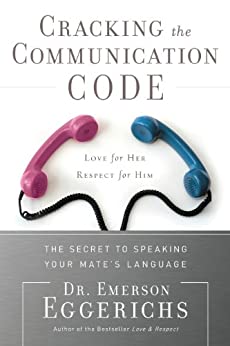
So, currently in this journey, I’m choosing to go Goodwill Hunting and I’m asking, “Will you join me on this particular hunt? Will you help me doggedly pursue finding the Goodwill in others?” In Cracking the Communication Code, Eggerichs offers for us, “A simple definition of goodwill is ‘the intention to do good toward the other person.’ But there is much more to it than that. A spouse may intend to do good, but fail to deliver. Good intentions do not necessarily guarantee good results.” Sometimes, it’s necessary for us to go Goodwill Hunting in those we love and interact with, and often this goodwill can be camouflaged, even when we know it exists. The challenge emerges for us to establish solid relationships so that others will go also go Goodwill Hunting in us when we fail to communicate in the manner that is healthiest for our relationships.
Eggerichs encourages us to model our search for Goodwill by sharing the perfect example of how Jesus was able to go Goodwill Hunting with His disciples. If you are familiar with the story in Matthew 26, Jesus is facing a death sentence when He asks his inner circle, The Three, to pray with Him in the Garden of Gethsemane. Guess what, they failed! But “Jesus knew His disciples had goodwill toward Him even though their follow-through didn’t match their good intentions.” How often do we fail those around us when our follow-through fails to match our good intentions? When we are disappointed by the words or actions of another, how often do we go Goodwill Hunting as Jesus did and seek to locate the best in a person who we know has good intentions for us?
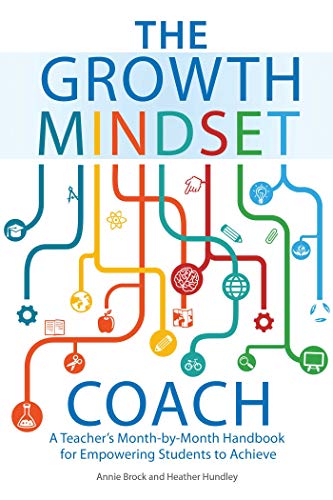
As I described in Get Better, we should all continuously seek to improve ourselves and one of the most essential ways this can be accomplished is through how we communicate and empathize with others. In The Growth Mindset Coach, Brock and Hendley share an educational example of Goodwill Hunting, “In strong student-teacher relationships, students do not get defensive in the face of critical feedback but recognize it as part of the process of improvement and growth. When students believe that you have their best interest at heart, they’ll respond to feedback in more productive ways.” Educators who have demonstrated their genuine concern will hopefully find students willing to go Goodwill Hunting, knowing that the intention of the teacher is to assist students in flourishing at learning and growing.
Goodwill Hunting is often not our default perspective, instead we seek to protect ourselves and the things we value from being hurt. But, what if, the next time we sense defensiveness arising within us, we take an extra second or two and choose to go Goodwill Hunting, asking ourselves what the intention of the other person might be? Please feel free to share in the comments below any examples of when you experienced moments that Goodwill Hunting was needed.
References:
Brock, A. & Hundley, H. (2016). The growth mindset coach: A teacher’s month-by-month handbook for empowering students to achieve. Ulysses Press.
Eggerichs, E. (2007). Cracking the communication code: The secret to speaking your mate’s language. Thomas Nelson.
 Flourishing @ Life