
With an intentional focus on unearthing the best practices for engaging and equipping Gen Z, the generational category of my current students, I confess to setting aside content about my own cohort, Gen X; and it seems I’m not alone in this oversight. As authors compose articles on insightful methods for engaging all generations currently in the workplace, there seems to be little attention given to Gen X (birthdates from the 1960s to the 1980s). In fact, “Gen X often gets left in the dark. In a 2018 post for Forbes, Angela Woo, a Gen Xer, called her generation ‘the Forgotten Generation.’”
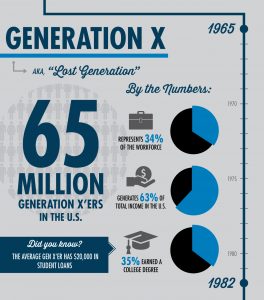
Earning the moniker, the Forgotten Generation, has more to do with their small percentage of the population, compared to those of other generations, than lack of importance; however, it does mean that the preferences of Gen Xers may often go unheard. Yet, just as each generation brings its own strengths, challenges, and needs, I implore you to not forget Gen X and instead celebrate the meaningful additions they bring to a productive and engaged work force. In fact, in light of the 2020 COVID pandemic, I will offer that we, Gen X, were made for this!
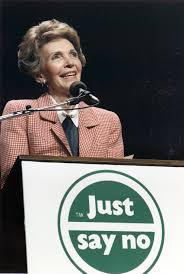
As Megan Gerhardt writes, “In every crisis, there is opportunity. Amid a global pandemic, it looks like my own Gen X has finally found ours. As the generation raised in the age of stranger danger and Just Say No, our inherent risk aversion is finally being recognized as a great strength and asset to the survival of the species.” Frequently the term independent is used for this generation as they learned to be self-reliant and solve their own problems as latchkey children entertaining themselves at home after school. So, in the midst of a pandemic, Gen Xers became the role models for staying home, demonstrating compliance to shelter in place, which was not only impacted by their past, but also by the phase of life most of them are currently in.
Speaking of phase of life, in addition to the nickname of the Forgotten Generation, Gen X is also known as the Sandwich Generation “with many taking on dual responsibilities for caring for aging parents while still being in charge of growing kids. So, while we are personally more than game to lie low and will make our children do the same, we are also calling our baby boomer parents and pleading with them to stay in, as well,” shares Megan Gernhardt. Whether it’s begging their parents (who successfully fought wars, civil rights, while also building professional careers) or scolding their kids for believing they are invincible (thank you, fake news and youth), Gen Xers are stuck in the middle.
Agreeing with Gerhardt, I deem Gen Xers ‘well-equipped for the pandemic for three reasons: they’ve had experience riding out historic crises…[they] weren’t raised with the overscheduled life of Millennials, which has left [them] feeling directionless…and [they] are well-incentivized to stay home to serve as a role model for the parents and children they’re caring for.”
Now that we’ve established why Gen Xers may seem to flourish during a pandemic, let’s move Gen X into the mainstream conversation by highlighting other attributes of this generation, and focus on ways to appreciate their strengths. Organizations should highly value Gen Xers because while baby boomers are retiring and Millennials and Gen Zers are still trying to navigate their paths, Gen Xers offer a wealth of knowledge, experience and stability which equips them well to be great mentors/coaches. Other notable generational characteristics include their ability to work independently, which manifests into valuing freedom and flexibility while having the ability to overcome challenges on their own; their adeptness with technology means they are comfortable with learning new devices and programs; and the fact that they have navigated the issue of work/life balance as witnessed by their strong time-management and strategic-thinking skills means they are able to handle time management.
So, although they may be few in numbers, let’s shift from thinking about Gen Xers as the Forgotten Generation and instead consider them the Steadfast Generation, those who seek to care for other generations, who provide productivity to the workplace, and those who were willing to Just Say No and stay home! Sarah Cavill opines that Gen Xers were prepped at an early age for coronavirus because they know “how to hunker down. When the quarantines started…Gen X came out strong with a quick defense of why they were the generation best equipped to handle being bored, stuck inside and feeling fine…While Gen Z partied and Boomers kept going to garden meetings, Gen X was already at home stocked up on wine, toilet paper, and Disney+.”
My hope is that everyone appreciates and celebrates the unique way God designed all of us with varying qualities and gifts, especially those gleaned from shared experiences of the different generations. Investing in the effort to develop relational equity with people across all the generational cohorts will offer an amazing return, just remember to Just Say No to forgetting the Forgotten Generation!
References:
Cavill, S. (2020, May 14). “The Life Experience of Gen Xers Is Reflected in Their Superior Self-Isolation Behaviors.” Digital Media Solutions. Retrieved from https://insights.digitalmediasolutions.com/articles/gen-x-behaviors-covid19
Gerhardt, N. (2020, March 25). “Coronavirus quarantine? Gen X was made for this. Boomers and Gen Z, not so much.” NBC News. Retrieved from https://www.nbcnews.com/think/opinion/coronavirus-quarantine-gen-x-was-made-boomers-gen-z-not-ncna1168021
Hoffer, H. (2020, April 7). “’We’ll be the only ones left’: Gen X says they’re better prepared for the coronavirus pandemic than any other generation.” Business Insider. Retrieved from https://www.businessinsider.com/gen-x-prepared-coronavirus-pandemic-versus-boomers-gen-z-2020-4
 Flourishing @ Life
Pingback: Held Hostage – Flourishing @ Life
Pingback: Pivot – Flourishing @ Life
Pingback: Buried Pipes – Flourishing @ Life
Pingback: Surreal Experience – Flourishing @ Life