
“Teamwork makes the dream work.” Yes, I have actually uttered those words, and during a recent endeavor between athletics and academics where we all contributed items for a successful luncheon and were standing in the gymnasium lobby, I heard one of the coaches voice this phrase about cooperation too. For many of us, teamwork is associated with sports, but I have also experienced God’s amazing ability to unite a group of individuals to accomplish spectacular goals during mission trips. Whether the task is hosting a soccer camp in Cochrane or hanging barn doors at Camp Carson Springs, there is a sense of triumph when cooperating Side-by-Side on a project and seeing it through to successful completion.
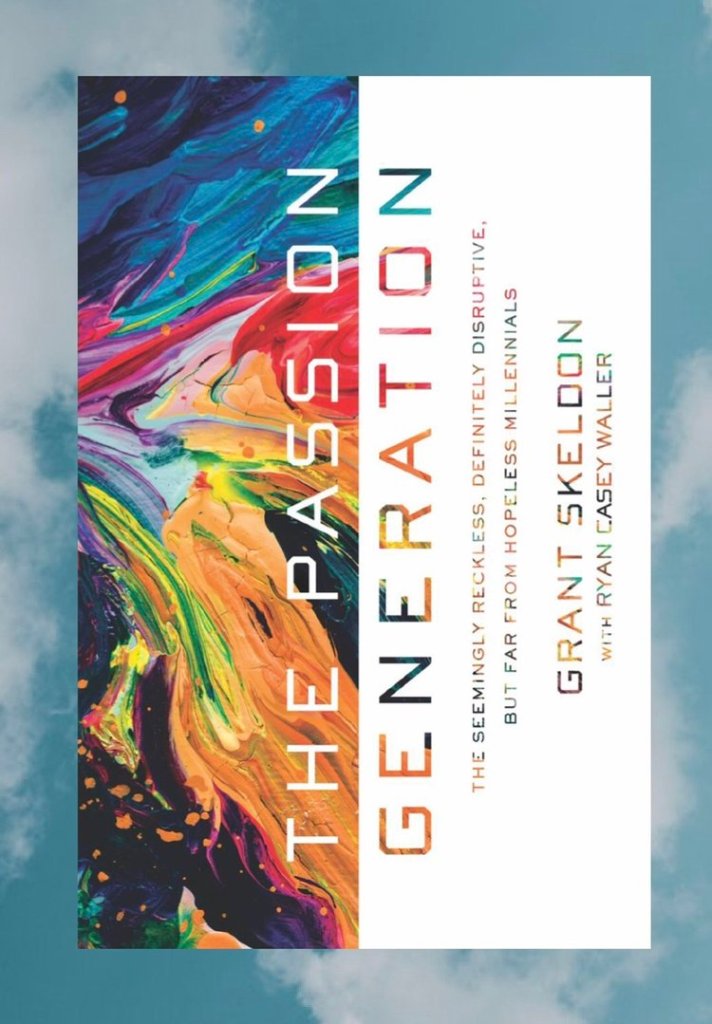
After being challenged by Grant Skeldon to consider the importance of discipleship and mentoring for emerging generations in his book The Passion Generation, I reflected on my own experiences and contemplated how many vital life lessons I have learned while working with someone and investing in Side-by-Side Conversations. Skeldon challenges readers to rethink how you approach a mentoring or discipling relationship and to reflect on why these relationships are so critical for emerging generations. “I once had a mentor tell me that your sweet spot of influence is among people ten years older and ten years younger than you. That’s who you relate to best because you understand the times they grew up in. Well, if that’s true, then if I disciple someone who disciples someone, then the gospel will influence generation after generation.” And the best approach, Skeldon suggests, is simply inviting people into living your day-to-day life with you. After all, this is the model Jesus implemented. “The vast majority of the teachings of Jesus were not delivered in so-called sermons. They were just things he said to the disciples along the way-things they never would have heard if they hadn’t been following him in his life.”
Now, to be transparent, Skeldon does explain that “discipleship is more than mentorship,” but when I consider equipping and engaging emerging generations, the principles can be applied in both scenarios of discipling and mentoring. “Mentorship says, ‘Add me to your calendar.’ Discipleship says, ‘Include me in your calendar’…Mentorship is good. Discipleship is great.” So, whether you choose to embrace mentorship or discipleship, the concept of utilizing Side-by-Side Conversations as a method of connection is valid.
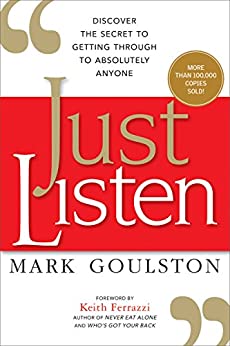
According to the wisdom of Mark Goulston in Just Listen, Side-by-Side Conversations are based on this approach-“asking questions during a shared moment, and then deepening the conversation with more questions-are as powerful as communication gets; so powerful that they form the core of the Socratic Method. Socrates never told anybody anything; he just walked around town with people asking them questions until they figured out the answers themselves.” During shared moments with disciples or mentees, we have the opportunity through a cooperative activity to lower people’s guards and allow them to open up which can lead to insights, allowing us to learn more in order to guide the wisdom we then offer. These Side-by-Side Conversations are the reason I wish sport management students had more opportunities to work alongside athletic staff to increase the impact on emerging generations, permitting them to develop relational equity with more seasoned professionals which might lead to an increase in knowledge being shared between generations. Students might enlighten the professionals to improved approaches while those with years of experience in the sporting environment share wisdom of methods that are tried and true.
Goulston also recommends the Side-by-Side technique for leaders “to find out what’s going on with your most productive employee and see if you can uncover ways to make that person even happier working for you. Then turn around and use it with your least productive employee, and see if you can discover any clues about why the person underperforms.” This methodology of using Appreciative Inquiry is at the core of the Improve Mindset and, I imagine, would be successful in a variety of contexts, but I am convinced of its importance when mentoring young sport professionals.
Side-by-Side Conversations open the door to understand rather than judge and offer opportunities to direct and correct. Yes, emerging generations need to flounder and fail in order to learn; however, isn’t the best option for this to occur under the guidance of an authentic relationship with those who possess the wisdom to move the learner along the continuum from floundering to flourishing? What ways have you experienced the benefit of a Side-by-Side Conversation, please feel free to share in the comments below.
References:
Goulston, M. (2015). Just listen: Discover the secret to getting through to absolutely anyone. AMACOM.
 Flourishing @ Life
Pingback: Power of Presence – Flourishing @ Life
Pingback: Appreciative Inquiry – Flourishing @ Life
Pingback: Mentoring Communities – Flourishing @ Life
Pingback: Tuesday People – Flourishing @ Life
Pingback: Aggravation – Flourishing @ Life
Pingback: Solvitur Ambulando – Flourishing @ Life