
As members of the Forgotten Generation, (those of us born in the 60s, 70s, and early 80s), otherwise labeled as Gen X, the timeline of our life experiences could easily coincide with a graphic depiction of the evolution of technology during that same time frame. From the table-tennis game of Pong created by Atari in 1972 to the bulky keyboard of the Commodore 64 in the 80s to the current smartphones and watches, Gen X has been continuously adapting their lifestyles to this ever-changing technology their entire lives. Not really having an option, this generation educated themselves on how to integrate computers into all aspects of their lives from word processing to spreadsheets to tracking sports statistics and now to online banking, remote education, and shopping for groceries. We have honed our skills, updated our resumes, and accepted the changes as a necessary evolution to modern life in the twenty-first century; but I am concerned that perhaps today, we are being Held Hostage by this technology that is now such a fixture in our day-to-day lives.
As someone who feels a deep responsibility for guiding Emerging Adults into their next season of life, not only from the practical viewpoint of their vocational calling but also from the perspective of their spiritual formation, I am voicing concern over the role that digital devices will have in their personal, professional, and spiritual development. And out of that concern, I am asking others—educators, parents, pastors, mentors–to invest the time and energy to consider the role that digital devices will have in our lives, to seriously consider the hard work of developing a Digital Philosophy for yourself and those you love. Please do not misunderstand me here, as I am not embracing a Luddite approach to technology; however, I am raising a Red Flag because my desire is to prevent any of us from being Held Hostage by our devices because we are not being intentional about how we tackle their impact on our lives.
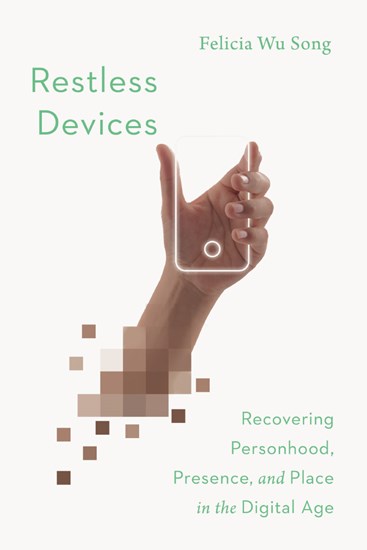
Whether it’s students sharing information from the Netflix film The Social Dilemma or frightening statistics shared by Jean Twenge in iGen, there is plenty of evidence available related to the sometimes damaging downside of the digital life; however, the reality is that there are numerous benefits to utilizing technology that cannot be overlooked, but there is a challenge in finding a proper balance. And if you need some encouragement to invest the time in crafting a Digital Philosophy, I highly recommend reading Felicia Wu Song’s Restless Devices. Song expresses her gratitude for how digital technologies have allowed her “to fashion a life experience that is more convenient, efficient and even pleasurable;” but also sees that “as a person of faith who has been steeped in the understanding that Jesus Christ transforms anyone who opens themselves to his presence, I can personally testify to the curious ways that the Jesus phone has transformed me since I ‘accepted it into my life.’ My relationships, my work patterns, my routines of how I spend my time and how I engage my spaces, even the patterns of thinking and my heart’s preoccupations—all of these have been quietly shifting and changing.”
As an educator who has taught an internet and society course for over 20 years, Song recalls the transformation that I mentioned in the opening paragraph that has occurred with all Gen Xers. “Indeed, when I stop to recall what life had been like before it became enveloped by digital ubiquity, I need to work at remembering: What did consciousness feel like before mobile devices, email, and the internet? The difficulty in summoning up the memory of what that state of existence felt like reveals how clearly the logic and presence of all things digital in my life have incrementally but definitively made me into a new creation. That I barely can perceive this transformation when I consider how I move through my daily engagements signals how most everyone around me has undergone a similar transformation too.”
Like me, Song feels like she is still in the trenches fighting to discover what it means to live a balanced, flourishing life alongside of our devices. At times, we can feel powerless over the systems in place that use computer algorithms to determine what song we would like to hear next or what item must be added to our shopping cart, but our frustration cannot lead us to deny that at times, we are being Held Hostage by our devices and only we can take those first steps to change our behaviors and work intentionally to develop the healthy Habits of a Flourishing Life.
In the days ahead, I hope to share how Song addresses the relationship between our digital devices and our spiritual formation, but for now, I am asking for you to share times when you feel Held Hostage by your device and what actions you take when those feelings emerge? Please consider sharing in the comments below so we can all benefit from your wisdom.
References:
Orlowski, J. (Director). (2020). The social dilemma. [Film]. Exposure Labs; Argent Pictures; The Space Program.
Twenge, J.M. (2017). iGen: Why today’s super-connected kids are growing up less rebellious, more tolerant, less happy-and completely unprepared for adulthood. New York: Atria Books.
 Flourishing @ Life
I am most enslaved by notifications and unread emails. There is an unhealthy compulsion to clear my list and that can hold me hostage.
LikeLike