
“How old would you be if you didn’t know how old you are?” This quote is attributed to the baseball pitcher Satchel Paige and it posits an interesting inquiry. What determinants would someone choose to select their chronological age if there was no formal documentation of their birth? So, between making a decision to use this question as an opening for a sport business presentation and reading Knox McCoy’s All Things Reconsidered, I’m pondering a genuine answer to this question. And to make things really real, I posted the question on social media. A true academic researcher right there!
Paige and McCoy both have me reconsidering my birthdate, and I will say that I am content with the fact that I was born in the early 1970s, but if I had to choose an age that perhaps I might linger a little longer than 365 days, I think I’ll pick to be 34 years old! It’s a nice even number, it reminds me of my best friend’s jersey number in high school, and life has typically found a groove in your thirties, at least it did for me. In 2005, I’d been living in my custom-built first home for about eight years, so the lawn and landscaping had maturity and I knew my neighbors fairly well. At that point professionally, I had been full-time faculty for five years, so I had passed the magical three times through my courses to feel confident with the material and assignments. My oldest “kid” was four-years-old and with many new ones arriving, my “family” was growing quickly. I was two years away from entering my first 5K race and four years from earning my doctorate. Life was good in 2005. There might have been some dark feelings regarding the whole singleness situation, but at that point, I wasn’t the only one in the crowd. So, yes, I think I will choose to be 34 years old.
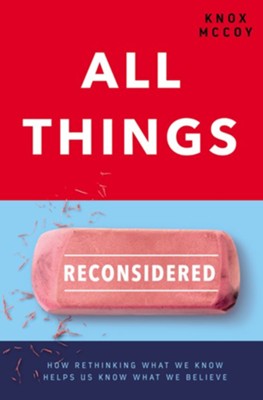
Now, I realize that throughout life, asking about someone’s age becomes a taboo question, but consider the importance of our age in our lives. McCoy shares, “Your date of birth is stamped upon your identity as this definitive thing, even though the meaning and definition of how your birthday manifests in your life shape-shifts fairly regularly…Small children will humble you so much that every month you keep them alive and your sanity intact feels like something to be celebrated. Parents are aware that presenting their son Jaxton to you as ‘forty-eight months old’ is patently absurd, but ‘four years’ doesn’t represent all the blood, sweat, and tears that have gone into Jaxton’s perseverance. Olympics and presidential elections happen once every four years, but Jaxton tests their sanity to live every single minute of every day.” Now, consider how few times our actual age has significance on life: age 16, age 18, age 21…”After the age of twenty-one, why do we continue observing this mostly ceremonial holiday? Because the birthdays definitely don’t get better.”
So, I might embrace McCoy’s proposition: “What if, after the age of twenty-one, you get a birthday rumspringa? What if you could experiment with moving your birthday to a different season altogether to see how it feels? And if you like it, you keep it, and it is reflected in your permanent records.” For my friends, Steven and Grant, whose birthdays fall during the days around Christmas, I know they’ve considered making a change at some point in their life. Think of all the gifts they missed out on!
Why do we need to give people and things ages? How do we determine if we’re old? Outdated pop culture references falling flat in class presentations certainly make me feel my age, but thanks to all the streaming services online today, my students might have actually viewed a few of these outdated references after all. College students aren’t aware of what an actuarial table is to understand why we currently assess health measures for insurance purposes. And there is a great deal of wisdom yet to be earned when traversing the younger years. But if none of that information mattered…if you didn’t know how old you were, How Old would you be?
Please consider sharing your answer in the comments below. Is there a magic age of flourishing? Or does God allow us to flourish at any age? Perhaps we can journey that discussion in further posts!
References:
Armstrong, T. (2019). The human odyssey: Navigating the twelve stages of life. Ixia press.
 Flourishing @ Life