
“Please be patient with us. We are experiencing a worker shortage.” Unless you have been traveling to another planet or perhaps holed up in some remote section of the mountains, you have likely seen a sign with a similar message posted throughout your dining and retail experience. There are likely a multitude of circumstances that have led us to this current situation, but here we are. And it’s not an issue that is likely to disappear anytime soon, whether you determine the cause to be the pandemic, generational differences or the Great Resignation, the reality is that nearly every one of us will be impacted at some point in time with a lack of personnel needed to complete a task or staff a business.
The Great Resignation arrived on my doorstep as an issue to be wrestled with as I embarked on this journey to equip and engage Emerging Adults. Whether I am preparing a presentation for healthcare leaders or crafting a workshop for educators, the need to address the challenges of the current multi-generational workplace seem to frequently lead to this topic. As organizations attempt to return to post-pandemic (and I use the term lightly) operations, leaders are feeling the full impact that we now have a shortage of workers in many of our industries. The workplace shifted dramatically during shelter-in-place orders and most experts recognize that a culture change has occurred and will likely not be returning to pre-spring 2020 conditions.
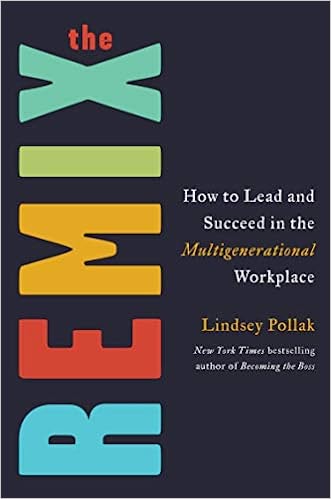
One of the factors contributing to this worker shortage is what professor Anthony Klotz termed The Great Resignation which “refers to the decisions of millions of workers to quit their jobs during the pandemic. In November 2021 alone, for example, a record 4.5 million American workers left their jobs, bringing the 12-month total to 68.7 million, according to the U.S. Bureau of Labor Statistics. In broader terms, Klotz said the Great Resignation describes how COVID-19 upended the centuries-old notion of what work is and how it should be done.” And one of my favorite authors discussing the changing workplace, Lindsay Pollak, shared at the 2021 NCAA Convention that the highest percentage of those actively seeking new jobs come from the Millennial and Gen Z segments of the population.
So, not only are we experiencing a shifting workforce, but we are also seeing a shortage of workers in general. Whether it’s burnout in healthcare workers and educators that created the Great Resignation or lower fertility rates, the reality is that we are heading towards a Demographic Cliff without a way to replace the retiring or resigning employees. And two industries who are currently feeling the pinch are higher education and intercollegiate sports. With numerous job openings and few applicants, we are witnessing a lack of experienced athletic trainers on the sidelines and fewer people choosing to enter a career in sports. With a workforce that will not grow in the next decade, how are organizations and businesses Pivoting in efforts to respond to the shortage?
Along with Pollak, many others are asking leaders to consider what steps are necessary to cultivate a flourishing organization where quality employees choose to stay. Three medical doctors share, “Because satisfied and engaged workers stay, we must build satisfaction-enhancing organizational cultures, which include aspects such as quality emphasis, cohesion, communication, and values. Organizations can demonstrate support by addressing training and keeping workloads reasonable. Supervisors must show respect, support work-life balance, prioritize inclusion and equity, turn attention to career development, and modulate their attention to finances based upon worker capacity.” Josh Bersin, who advises companies on human resource issues, mirrors Pollak and the healthcare industry when he adds, “we’ve developed a massive focus on retention, employee experience, and employee engagement.”
It appears that many human resource leaders are calling for a change in organizational culture, so what options are available to those attempting to navigate their people through the Great Resignation? Have you witnessed leaders and organizations doing this well and employees are opting to stay? Please consider sharing these stories with us so that we can all learn how to Pivot and flourish in this changing workplace environment.
References:
Bersin, J. (2021, June 11). Not enough workers: Rethink recruiting in the new economy. Josh Bersin. Retrieved from https://joshbersin.com/2021/05/not-enough-workers-rethink-recruiting-in-the-new-economy/
Kellett, A. (2022, February 11). The Texas A&M professor who predicted ‘The Great Resignation.’ Texas A&M Today. Retrieved from https://today.tamu.edu/2022/02/11/the-texas-am-professor-who-predicted-the-great-resignation/
Linzer, M., Griffiths, E.P. & Feldman, M.D. (2022, June). Responding to the Great Resignation: Detoxify and rebuild the culture. Journal of General Internal Medicine. DOI: 10.1007/s11606-022-07703-1
Pollak, L. (2022, January). The remix: How to lead and succeed in today’s multigenerational marketplace. NCAA National Convention.
 Flourishing @ Life
Pingback: I Quit – Flourishing @ Life
Pingback: Professor Gig – Flourishing @ Life