
Perhaps you call it something else—the place where worn-out shirts and frayed washcloths go to linger in a kind of suspended animation until summoned for duty as a dust rag or a soft cloth for waxing the car. Maybe it lives near your Junk Drawer or in some other tucked-away spot, but it serves a distinct purpose: holding items in that liminal space between usefulness and garbage.
Growing up, ours was one of the square drawers in my bedroom dresser. “That belongs in the Rag Drawer” was an understood instruction in our home. Do I have you on the edge of your seat yet for this riveting academic discussion?
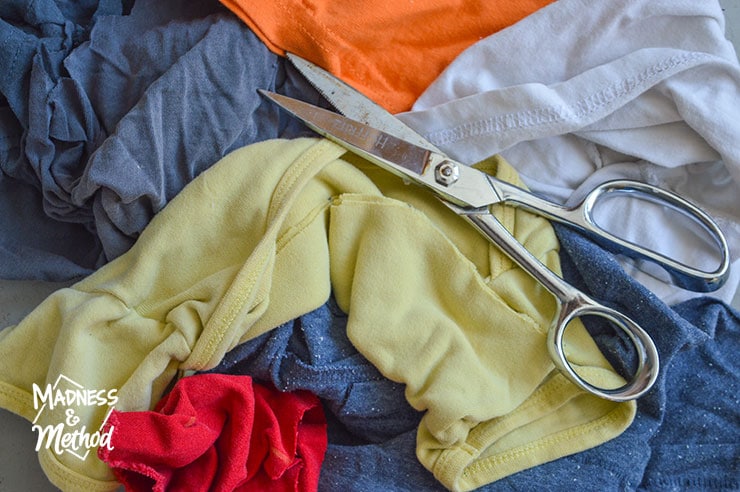
Here’s the question: What criteria determine when an item loses its primary usefulness—clothing to wear or towels for bathing—and becomes destined for the Rag Drawer? Is it after a small tear that spreads like a spiderweb? When the collar frays so much that the undyed fabric peeks through? Or when the cotton thins until the shirt is practically translucent?
This dilemma surfaced for me recently in two ways. First, I discovered a medium-sized hole in my pajama pants after leaving the warmth of the bed for the chill of morning air. Living alone, the hole hardly matters—but imagine the embarrassment if I had packed those for an overnight stay! Toss them in the trash? Seems wasteful. Rag Drawer?
The second quandary came while folding laundry: a beloved Comfort Colors t-shirt, soft as ever but now sporting holes along the seams. How frayed is too frayed before a shirt is demoted to rag status? Then there’s the mountain of t-shirts collected over years—sports, travel, races. I confess: I’m a t-shirt snob. Some are uncomfortable, some are relegated to yard work, and a select few earn a hanger in the closet as “dressy tees” suitable for public appearances.
Maybe worn clothing passes through two Liminal Spaces: first, demotion to yard work attire, then eventual exile to the Rag Drawer. But who decides? What are the criteria for moving from one status to another? My mind ponders these deep questions!
While these musings may seem trivial, they surfaced as I watched a film about Harriet Tubman. The actors’ patched clothing reminded me of a time when repairing garments was a necessity, not a choice. I’ve never faced the reality of mending because I had nothing else to wear. I’ve been blessed beyond measure. Yet I wonder: in a culture of quick replacement—appliances, phones, cars—have we lost the art of repair? Do we discard too easily because we can afford to?
Could this “replace mindset,” even mirror our Cancel Culture, shaping how we value people, traditions, and communities? At what point do we Devalue the Past and simply replace rather than restore? Perhaps that’s too heavy for a post about a Rag Drawer, so let’s lighten things up:
What criteria do you use to decide when something moves from wearable to rag? Is there a process you follow? Please consider sharing in the comments below.
To all the items delegated to the Rag Drawer: enjoy your liminal space. You’ve been deemed useful for other tasks and have not yet been classified as trash.
 Flourishing @ Life