
If you pose a question like, “What are your thoughts on the current college transfer rules?” you’re almost guaranteed to spark a lively debate about the state of intercollegiate athletics—especially on a campus where nearly 80 percent of students are athletes. Teach in a sport-related discipline, and the intensity rises: not only are most students athletes, but many are preparing for careers in the sports industry. It’s not unusual for me to receive pushback when I share my own perspective, which—when handled with respect and active listening—can lead to rich, engaging discussions. That’s the dream, anyway.
My deeper concern with what’s now called “the transfer portal” isn’t just about athletics; it’s about fostering a Habit of Resilience in Emerging Adults and celebrating the moment when students walk across the stage to receive their diplomas. Entering the portal can become a barrier to both goals. To be clear, I’m not opposed to transfers for valid reasons. My concern arises when the decision stems from a Me-First Attitude. And we live in a culture steeped in that mindset. That’s why I was so encouraged to read about a college basketball coach whose I Am Third philosophy Flips the Script. While reading Jeff Clark’s Praying on Offense, I found myself asking, “Lord, what do You want me to learn from this? How does this apply to equipping students—and athletes—to flourish in life?”
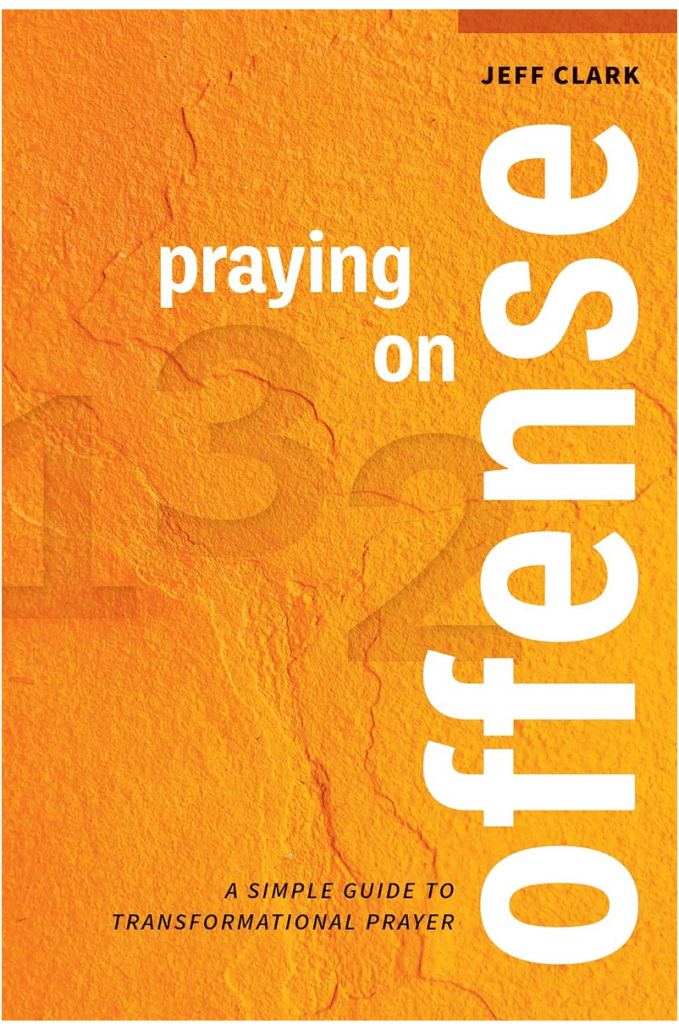
Indiana Wesleyan’s Greg Tonagel sums it up: “If you want to be first, first find a way to be third. God first. Others second. I Am Third.” Clark, Tonagel’s assistant coach and the book’s author, admits he once pursued college basketball without realizing how deeply the sport was dominated by a Me-First culture—whether that comes through media hype, high coaching salaries, or players’ celebrity status on campus.
Rather than conforming to those patterns, Tonagel sought to align his program with God’s ways. Clark describes the kinds of questions they asked as coaches, and I couldn’t help but notice how closely they mirror Appreciative Inquiry principles. It made me wonder: could this philosophy ripple beyond the basketball court into other areas of campus life? Their approach includes using life-giving words, investing in players’ holistic growth, practicing generosity—even toward competitors—and leading from a sense of calling rooted in identity in Christ. In short, they aim for kingdom alignment in every facet of the program.
Clark goes on to outline how their program resists the Me-First mindset and even imagines how Jesus might use basketball in His parables today. To align with kingdom principles, Clark suggests asking two key questions: “What is God’s ideal in this context?” and “What is the current reality?” You celebrate what’s working and confront what’s holding you back—an approach that resonates with both kingdom work and Appreciative Education.
My concern with the transfer portal centers on athletes who choose it out of self-interest—those who want to “get what they deserve”—not those facing legitimate challenges like coaching changes. I’m no expert on balancing athletic success with cultivating grateful dispositions while pursuing kingdom purposes. But I do know this: I get to witness incredible coaches striving to align their programs with a higher calling. Keep up the good work, and may your influence ripple beyond your campuses and into your communities!
Reference:
 Flourishing @ Life