
Repeatedly mentioned in the research of Gen Z, mentoring, and lifespan development, the theme of what Meg Jay calls weak ties and Tommy Spaulding refers to as lower-floor relationships is fascinating. These concepts contrast to the ideas presented in the Who’s in Your Posse post but speak to the need for all of us to establish relational equity at various investment levels. Jay refers to research conducted in the 1970s by Mark Granovetter where he “found it wasn’t close friends and family-presumably those most invested in helping-who were the most valuable during the job hunt. Rather, more than three-quarters of new jobs had come from leads from contacts who were seen only ‘occasionally’ or ‘rarely.’’ These authors illuminate what many of us have experienced in our own careers in that there is “unique value of people we do not know well.”
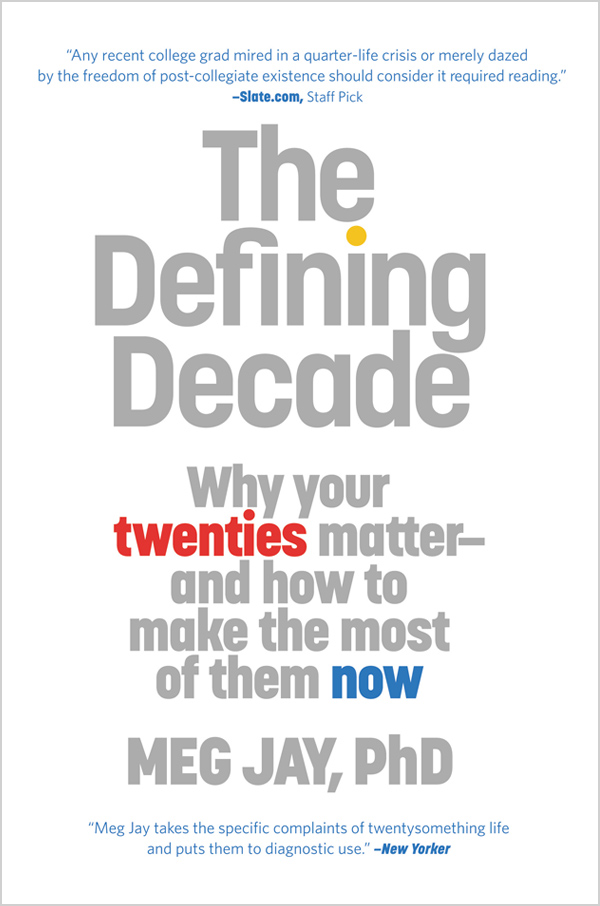
Later discussions will highlight the importance of deep and meaningful relationships, but today, the focus will be on weak ties. Jay describes weak ties as “the people we have met, or are connected to somehow, but do not currently know well. Weak ties are also our former employers or professors and any other associations who have not been promoted to close friends.” This framework of weak ties will be a foundational component to my mentoring model where college students and professionals alike are encouraged to thoughtfully consider people of influence outside of their close network of friends. Again, Jay states it best when she mentions, “weak ties give us access to something fresh. They know things and people that we don’t know. Information and opportunity spread farther and faster through weak ties than through close friends because weak ties have fewer overlapping contacts. Weak ties are like bridges you cannot see all the way across, so there is no telling where they might lead.”
In an earlier post the discussion about emerging adulthood and the importance of communication was shared which has implications here as well when considering weak ties. Jay shares that weak ties “force us to communicate from a place of difference, to use what is called elaborated speech. Unlike restricted speech, which presupposes similarities between the speaker and the listener, elaborated speech does not presume that the listener thinks in the same way or knows the same information. We need to be more thorough when we talk to weak ties, and this requires more organization and reflection.” Including this element of communication into the mentoring model, emerging adults reflect on possible candidates for weak ties and are instructed on best practices for establishing communication with those identified.
When considering techniques for approaching some weak-ties candidates, Jay offers the following recommendations: “Make yourself interesting. Make yourself relevant. Do your homework so you know precisely what you want or need. Then, respectfully, ask for it. Some weak ties will say no. More than you think will say yes. The fastest route to something new is one phone call, one box of books, one favor, one thirtieth birthday party.” Because our social networks narrow across adulthood, the relational equity that is built early in adulthood is vital.
Reaching out to others is difficult and with all the options available to an emerging adult just beginning their career, it can be overwhelming, but having the forethought to consider potential candidates and discern who might be willing and able to assist could be one of the most important steps taken to flourish personally and professionally. Ideally, college students would use service learning and internship requirements to begin this process of developing weak ties and meeting people of influence within their desired profession. Taking these steps now to communicate, invest relationally in others, and learn about the industry, might be keys to lifelong success.
As you reflect on weak ties in your life, either personally or professionally, how did these connections assist you? Please feel free to share in the comments below.


This post really helps me evaluate my life. As a member of generation Z, I totally understand and relate to this article. It’s easier to just text about an issue than to openly have a conversation with someone. Communication really is key and my generation has forgotten that and reduced to something as simple as just words not even face to face. It not only impacts relationships but also general communication. However, I do think reaching out can be really tough. I struggle with this in my everyday life sometimes even with family members. This post has challenged me to want to communicate in a better way. It has challenged me to not only reach out, but have real communication. Thank you for that.
LikeLike
Pingback: Return on Relationships – Flourishing @ Life
Pingback: Five Floors of Relationships – Flourishing @ Life
Pingback: Others-Centered in a Self-Centered World – Flourishing @ Life
Pingback: Give Me a Minute – Flourishing @ Life
Pingback: I Sliced Instead of Peeled – Flourishing @ Life
Pingback: For Good – Flourishing @ Life