
by Jennifer Graves, Director of the Union EDGE Program
“Mentoring is a relational experience through which one person empowers another by sharing God-given resources.” Dr. Robert Clinton
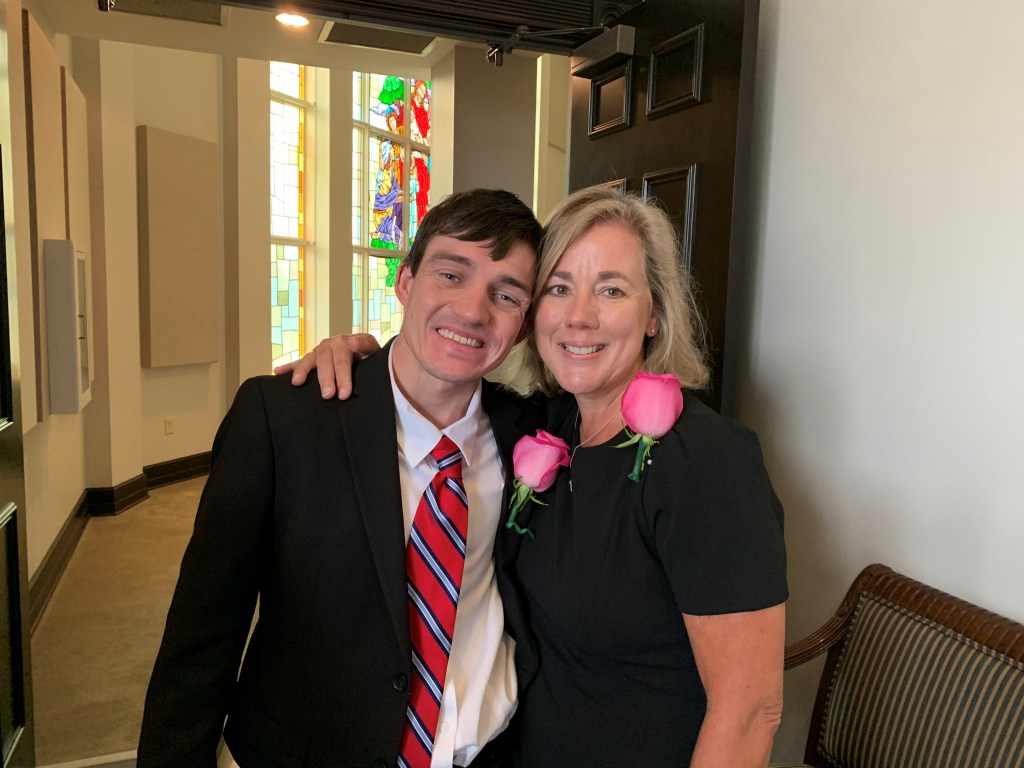
The Union EDGE Program is a two-year program that allows young adults with intellectual disabilities and/or developmental disabilities (IDD) to have a college experience. These students take life skills courses, audit traditional courses, live on campus, and have jobs to develop employment skills. Each of our EDGE students has five mentors to assist them in the process of life. These mentors are sharing their resources and making an investment of time and emotion to assist our EDGE students to become all that they are created to be. As I review the definitions for mentoring and relational equity, the common denominator appears to be relationship.
We ask EDGE mentors to simply make time in their lives for these students by sharing activities that they already participate in regularly. In other words, we are asking them to become friends. We are not creating a networking opportunity for our students or mentors, but rather an opportunity to invest in another human and grow. I have had the privilege to watch this process for more than four years now. Just like every relationship building process, sometimes it’s messy. It is a process of learning about one another’s strengths and weaknesses. It’s about appreciating what each person brings to the table and then respecting them for it. This only happens through investing time and a part of yourself. In a culture that thrives on speedy interactions, building relationships is hard work!
That is where the equality part comes into play. On the outside looking in one might ask what could a mentor learn from a student with IDD? What I have observed is a whole lot! A mentor might learn that their words have a huge impact on the person they are spoken to whether in jest or in love. A mentor might learn how much a person has overcome to become who they currently are. A mentor might learn to never, ever give up. A mentor may learn that they are better than they were yesterday, but not as good as they will be tomorrow.
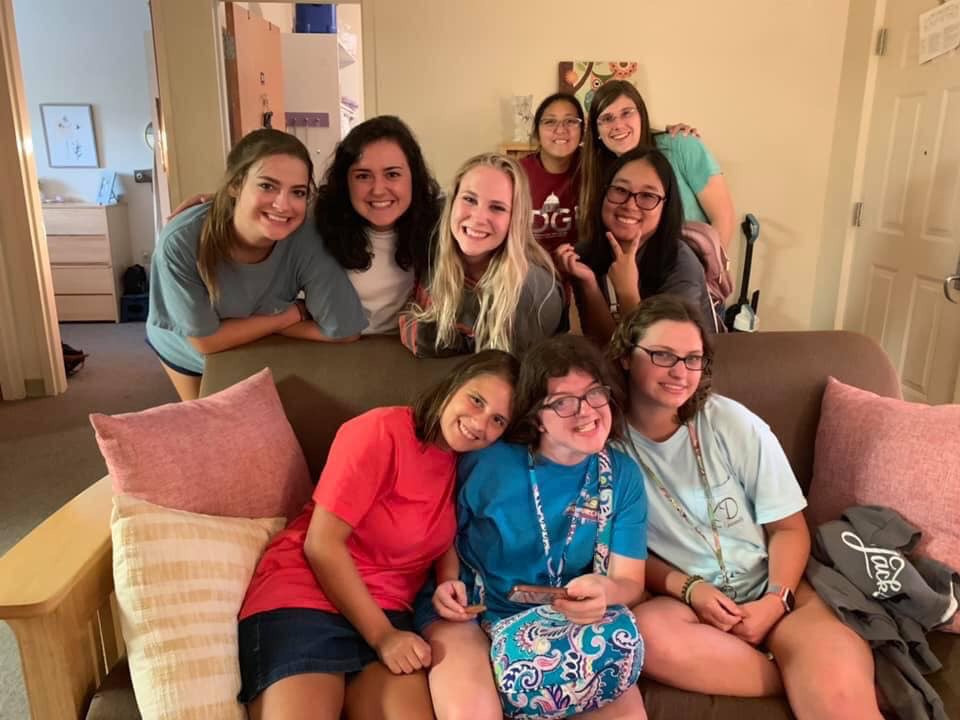
Our students’ abilities are as varied as our number of students. We have students whose disabilities are readily visible and students that you would never suspect had a disability unless you asked them to do something academic. They have learned how to hide it very well. As relationships begin to develop, walls begin to come down and truths become more visible. A sense of trust is built. Often…more often than any of us care to admit…people with disabilities are discounted. The slashing of the person is rarely a physical one but is instead an emotional one. One in which trust is destroyed and hearts are broken. As I continue to work in the field of IDD, I have come to understand that to be loved and trusted by an individual with IDD is a great responsibility. One in which I am called to be my very best.
“Relational equality is a relationship in which time and emotional investment has been made that renders an increased value in which to draw.” Russell Hylton
It is my hope and prayer that as you read this short blog, a person in your life may come to mind. This may be a person who is different from most. I want you to ask yourself, how can I invest in this person? How can I make room in my life to help this individual become the best that they can be? I think back over my years and the people who come to mind as difference makers were coaches and teachers who chose to believe in me. You can change a person’s whole life by investing in them, building a relationship with them, and most importantly, by loving like Jesus.
 Flourishing @ Life
Thank you for this article on Relational Equity with a particular emphasis on the EDGE program at Union University. Thanks to the Graves leadership, I was able to mentor 2 EDGE students so far. What precious opportunities they were for me. I do agree with the author
* that we are in a culture that thrives on speedy interactions making building relationships hard. Looking back, I could have done more to encourage those two students to spend more time with me. I could have invested more time to build better relationship. It was, however, like water under the bridge. Gone! I wish I had taken the time to build relationship as hard as I tried to train them with a set of computer skills. That takes me to the next take-away from the article:
* Mentors may learn that they are better than they were yesterday, but not as good as they will be tomorrow. How true! I am looking ahead to put my continuous improvement learning to work.
May God bless the EDGE program at Union University. I think it represents the University so very well.
Have a blessed Christmas as we EDGE on to the New Year!
LikeLike