
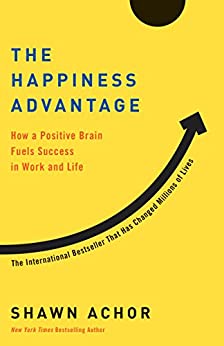
In researching the characteristics typical of people who are considered to be flourishing at life, it should be no surprise how often someone’s ability to thrive is connected to the individuals with whom they have created Relational Equity, or as Shawn Anchor terms it in his book, The Happiness Advantage, social capital. As I continue to probe into the Habit of Awareness, of both self and others, I should not have been astonished to find that James Earley, the author of The Common Rule, recommends a weekly habit of one hour of conversation with a friend. So, engaging in Friendship Conversations is not only critical to creating a flourishing life, but also to fulfilling our God-given purpose in life.
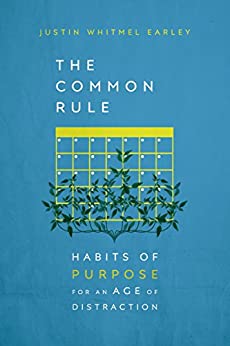
Earley emphasizes that Friendship Conversations connect back to the fact that we were made for friendship. “We can’t be happy without knowing and being known, because that’s the image of trinitarian friendship we were made in…that simply to be happy in the presence of a friend is like a song or a prayer to God’s glory and generous design. God loves it when we embody friendship, because when we do that, we are embodying the triune God himself, and we feel his pleasure.” What a beautiful picture this paints for me of relational equity, especially those who are a part of my inner circle, my Posse. And many of those who are considered Fifth-Floor Relationships began in college.
There is something so very unique about Emerging Adulthood and the friendships which are often cemented during the college years. Perhaps, this is related to fact that in college, people often spend large blocks of time together, or at least I did. Whether it occurred nestled in our dorm, sitting at the cafeteria tables where all students walked by, driving down the road for an away athletic contest, or “studying” in the small rooms near the back of the library, there were extended periods of time where Friendship Conversations might be shared as we struggled to understand this adult person we were trying to become. These relationships demonstrated vulnerability as we nursed broken hearts, agonized over tests, or wondered what career might suit us best. Earley captures these moments so vividly when he shares, “Vulnerability and time turn people who have a relationship into people who have a friendship. That’s what friendship is: vulnerability across time. The practice of conversation is the basis of friendship because it’s in conversation that we become exposed to each other.”
Adding to the elements of time and vulnerability, Friendship Conversations require another important aspect which allow them to flourish, and this is the willingness to take a risk and to implement Appreciative Inquiry such as: “Is there anything you aren’t telling me?” and embracing a Listening Life by demonstrating the commitment to walk through the answer. “Much of friendship comes from admitting the things that make you seem fragile when spoken out loud. And this is why friendship is so hard. Vulnerability is risky, and time is limited.”
If we invest the time to examine our Friendship Conversations through the lens of Chronos vs. Kairos time, I think we would create a shift in thinking and quickly embrace Earley’s common rule. “We often feel spread impossibly thin. That’s why cultivating habits of devoting time to friendships is so important…The usual life in America leans toward busying yourself with things that seem urgent, but friendships will never seem urgent. The most important things never are until it’s too late.” Deep from my heart, I desire that the emerging adults on our campus discover the prevalent need to engage in deep and meaningful relationships during this season of life. “The Common Rule habit of a weekly hour of conversation is aimed directly at that struggle. The idea is to cultivate a keystone habit of being the vulnerable, relational person you were created to be, even when life becomes complicated. In the most demanding of times…we tend to sacrifice times with friends, and yet friends are precisely what we need the most.”
As you take time to consider the Friendship Conversations in your life, I wonder if you are able to see the reality that “Friendships embody the power of the gospel in a unique way because in friendship we live out the truth of the gospel to each other. What is the gospel besides that Jesus knows how broken we are and sticks around to love us anyway? What is a friend except someone who knows how broken we are yet sticks around to love us anyway?” I pray you have many in your life who embody this image of love, and if you currently do not, you will be wise to invest the relational equity in forming your own posse.
References:


Hi, Dr. Powell!
I just finished reading your article on friendship and conversations, and I wanted to share how much I appreciated your insights.
Your point about being present and actively listening really resonates with me. It’s easy to get caught up in distractions and forget the value of truly engaging with our friends. I also loved your perspective on the balance between talking and listening – it’s a dance that can really define the depth of a friendship.
Thanks for sharing these thoughtful reflections. They’ve definitely given me some food for thought about how I approach my own friendships and the importance of nurturing them through genuine conversations.
Best regards,
Marlon Albornoz
LikeLike