
Completing a simple internet search for the phrase Comparison Trap results in over a quarter of a billion options, which to me speaks volumes regarding the prevalence of this issue. And the sad reality is that we are not currently facing an unprecedented (thank you, pandemic, for the overuse of this word) time of dealing with comparing ourselves to others, this concept has been with us since the beginning of time; however, I am concerned that perhaps today, more than ever, we are more vulnerable to the Comparison Trap because of the access we have to view what is occurring in the lives of people around us, both friends and strangers.
As shared in previous posts, all of us, as human beings, deal with some type of struggle, perhaps some insecurity about who we are, who God created us to be, or where we fit into the world around us. For me, the Struggle With Singleness, my insecurity of being unlovable, becomes magnified when I fall into the Comparison Trap of measuring the journey that God has for me with the path that others are on; and unfortunately the world of social media is a place where that insecurity is nourished and grows. In her book Why Her?, Nicki Koziarz shares her perspective on the issue of comparison, “’Why her?’ We don’t dare ask this question out loud. Even addressing it in our journals is a no-no…We don’t even want to admit we ever ask it. We shouldn’t think such things. It’s not nice. But as we watch someone else living out what we desire most, and we don’t quite feel like we’re measuring up, we somehow can’t seem to stop ourselves. Why her? What am I doing wrong? What on earth is wrong with me? As soon as we ask these questions, guilt consumes us…But as much as we try to escape the Comparison Trap, we just can’t.”
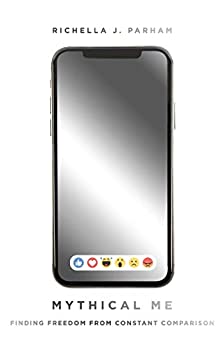
The Comparison Trap is an ugly threat that is not going away whether we are viewing posts on social media or not, but it is one of the reasons that I encourage all of us, but specifically, Emerging Adults to consider crafting a Digital Philosophy to establish boundaries regarding how we will allow these outlets of comparison to impact our health and well-being. Sharing her story about creating a mythical composite woman in her book Mythical Me, Richella Parham offers us a glimpse into how damaging comparison can be and how it prevents us from living a flourishing life. When she creates a composite woman with all the features she admires in a variety of women, Parham establishes a standard no one could possibly achieve. Parham writes, “The act of comparison takes our eyes off God and places them on ourselves and the people we’re comparing ourselves to. When we most need to see and understand the love of God, to begin ‘to grasp how wide and long and high and deep is the love of Christ’ (Ephesians 3:18), we look away from him. Just when keeping our eyes fixed on God would reveal his goodness and mercy, we focus elsewhere. And that lack of focus on God is devastating, because joy comes from God.”
Although I’m painting a discouraging picture of comparison because many people’s well-being is at risk, comparison is not always a negative concept. Parham shares, “Very often, comparison to an ideal is a helpful practice, not a harmful one. Helpful comparisons are those that place a normal or ideal condition on one side of the scale and real-life condition on the other side, hoping to achieve a balance…Comparison is also a valuable tool for description and communication…words of comparison can paint a vivid picture in our minds.” Just this week I was reminded twice how valuable comparison can be. The first instance came during a conversation with Dr. Luna, a colleague in pharmacy, as she shared her research with me on comparing cells and their reactions to various interventions. Perhaps her comparisons will lead to a cure for cancer! The second occurrence happened while viewing a show outlining a police investigation, it was revealed that the comparison of DNA, tool markings, and hand-writing assisted in solving a crime. Two great examples of where comparison becomes a blessing rather than a trap.
There may not be a one-size-fits-all approach to finding a healthy strategy for dealing with the Comparison Trap; however, my hope is that we might follow Parham’s advice and lead the way down this dangerous path: “For followers of Christ, then, the problem of comparison is much deeper than just the fact that it makes us unhappy. In continually comparing ourselves with others, wishing that we were like other people, we’re less able to be authentically ourselves, less able to relate to God and others, less able to do what needs to be done. This hurting world needs Christ-followers to do the hard work of knowing themselves [Habit of Awareness], then offering their authentic selves—each and every gloriously designed, uniquely gifted, specially formed one of us—in loving care and service to others.”
May we all be challenged to not fall into the Comparison Trap, but to find a better approach to live authentically in this world so that we may lead a flourishing and abundant life! If you have successful strategies for not falling into the trap, please consider sharing those in the comments below.
References:
Parham, R.J. (2019). Mythical me: Finding freedom from constant comparison. IVP Books.
 Flourishing @ Life
This was the first Blog that I saw when I opened up the website and I found it placed there, exactly when I needed it. What a word! Falling into the comparison trap is extremely easy to do and is done by so many people, including myself. This comparison trap is done when we examine other people’s lives and compare it to our own. This comparison normally spirals all the way until we find ourselves miserable and guilt ridden. This is something that I find myself doing a lot especially when I am consumed in social media and keeping up with others lives. The good news is that comparison doesn’t have to be a trap, many blessings can come from comparison of our individuality and the talents that our Lord has given us. One way that I have worked to combat comparison is by limiting my time on social media and not making it a priority. I have also started using a gratitude journal where I take note every day of at least 7 things that I was blessed with. With this I list strengths that I was able to use that day, blessings that I received, and prayers that were answered. This information helps me to realize that I am not the only one in this position and even wise, strong Christians deal with the very same issues. With this information I am encouraged to combat comparisons and continue to be thankful for the path that God has mapped out specifically for me.
LikeLike
From a young age, I have struggled immensely with comparison. I feel like when I was growing up, I was constantly thinking of ways I could be different. My parents got divorced before I could ever remember them being together. So not only did I compare myself to others in a physical aspect, but in a home and family life aspect as well. I envied people who had a stable family unit and constantly questioned myself what happened with my parents? I wondered if maybe I was the issue. Then I got older and social media grew and grew. And as social media grew, so did my insecurities. Throughout the past few years, comparing myself to others has been something that I have been working on. So I found this post extremely relatable. One thing that stood out to me was when you were explaining that when we lose sight of God, we also lose sight of who we are made to be, and who created us. In order to fully be who God made us to be and take full advantage of our unique gifts, we must lean into the character of the Lord.
LikeLike
Pingback: Past Perfection – Flourishing @ Life