
In wellness education we are often required to discuss topics that most people would prefer to avoid in conversation. Even though we are all very aware that there are physiological processes necessary for proper maintenance of the physical body, such as metabolism and digestion, they just aren’t typically going to find themselves at the top of a “hot topics” list. Having intellectual knowledge of the human body is one thing, openly sharing about digestive issues that might currently be impacting our health and well-being is another! (Grasping the complexity of all that has to simultaneously transpire for the systems in our bodies to function normally, I’m flabbergasted when people express doubts that we have a divine Creator). So, let’s just examine all that occurs in the process of metabolizing something we’ve ingested during our last meal.
“Think of what you do when you metabolize food: You take it in (ingest it), and your body breaks the food down and recognizes its components as falling into two big groups. The first group is what is usable to you, the vitamins, minerals, and other nutrients. It takes all of the good stuff and turns it into things that you can use: fuel and structure. It keeps you going, and it literally becomes part of you. Want bones? Eat calcium. You get the picture,” shares Dr. Henry Cloud in his book Necessary Endings. He continues, “The second group, the parts of food that are not usable, is called waste. And what do we do with waste? We eliminate it and get it out of the system… [your body] uses what is usable, takes that forward, and eliminates what it can’t use, leaving that behind.”
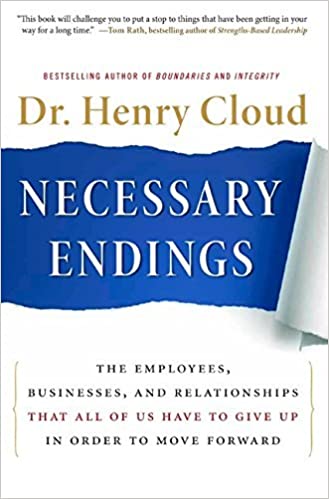
Our digestive system is efficient in that it knows exactly what to Use and Eliminate to produce a healthy body. Just as the human body engages in this complicated process of food metabolism, our minds must metabolize our life experiences. “Just as ‘You are what you eat,’ you are what you experience as a person”—in love, in life, and in work. “You ‘ingest’ experience like food, taking it in, and it becomes part of you. To metabolize experience, whether in significant relationships or in business, you have to do what your body does with food: keep what is usable to you, and eliminate what is not.”
In cultivating the Habits of a Flourishing Life, it becomes vital that we take our past experiences, Use the knowledge to grow and learn while taking time to Eliminate (or prune) the unhealthy aspects so that we are able to move forward and pursue the abundant life that God has designed for us. Cloud suggests asking, “What was good about it? The relationships? The learnings? The new skills you attained?” Use that wisdom to propel you forward to becoming stronger and wiser for having engaged in the experience.
Now, some life situations offer things that “you will want to eliminate. You saw some things, did some things, had some things done to you, and perhaps you have some shrapnel from the battle that you need to dig out…Maybe you made other mistakes or saw some weaknesses you didn’t know you had. Whatever happened that was negative, take the wisdom out of it, learn from it, and then eliminate what is not useful to you. The pain, the bitterness, the feelings of failure, the loss and grief, and the resentment all need to be eliminated and left behind. But left consciously, as opposed to just denied and forgotten.”
How we approach the Use and Elimination process will likely look very different based on our individual personalities and tendencies; however, through the cultivation of the Habit of Awareness, we can gain an understanding of our own God-inspired design and use that knowledge to our benefit. “Different people eliminate crummy feelings in different ways, but in general you need to talk them out, cry if you have to, feel your feelings, express them, forgive, and let it all go. Leave it behind after you have given it adequate attention…then you will be ready for whatever is next, having learned and benefited from what you have gone through, positive or negative, and you will show up in your next deal or relationship fully ready, even readier than you would have been had you not gone through it. No matter what happened, you are the better for it.”
Necessary Endings are a natural part of the life experience, and my hope is that even when they are painful, we will have an opportunity to undergo Good Grief in the process of moving forward in life. Please consider sharing in the comments below of a time when you needed to Use and Eliminate after a personal, professional, or spiritual experience in order to take your next steps.
Reference:
 Flourishing @ Life
The Use and Eliminate process is a common process that I never had really considered but use pretty much daily. In terms of physical wellness, I use it mainly regarding foods. While I have not been tested for food allergies I have an understanding that high amounts of processed gluten will negatively affect me. In this, I will have trouble not only falling asleep but staying asleep and a lower ability to concentrate on simple tasks. I will often find myself not eating as much processed gluten near finals week or when I know I have important presentations or meetings coming up.
I have also recently experienced using the Use and Eliminate process in my spiritual and personal life. As I have been rediscovering my faith and diving in deeper I have found myself having a lingering cloud over my head when I have spent time with certain people. Even if in that time nothing sinful is happening, being said, or seen I just don’t feel right during or after. I have been using my previous knowledge of this and eliminating a large amount of time I am spending with these people. Since doing this I have been able to feel that I am connecting more with God and that I have a more energized desire to be in His Word and follow His lead.
LikeLike
Pingback: Take Out the Trash – Flourishing @ Life
Pingback: Fearfully and Wonderfully Made, Part 1 – Flourishing @ Life
Pingback: Junk Drawer – Flourishing @ Life