
When was the last time you watched a child simply play? Not in a uniform, not on a schedule, not under the watchful eye of coaches or officials—just playing for the sheer joy of it. Having never been an athlete or a parent myself, I may not fully grasp the tug‑of‑war adults feel in trying to “get it right”—to find that elusive Sweet Spot. You know… “know when to hold ’em, know when to fold ’em,” as the Kenny Rogers soundtrack from the ’80s echoes in my mind.
But the truth is, finding balance in life is always complicated. When does a gentle nudge become a nag? When does letting a child struggle constructively slip into letting them fail unnecessarily? Whether we are parenting, coaching, teaching, or doing some combination of all three, discerning what is healthy versus what is harmful is never simple.
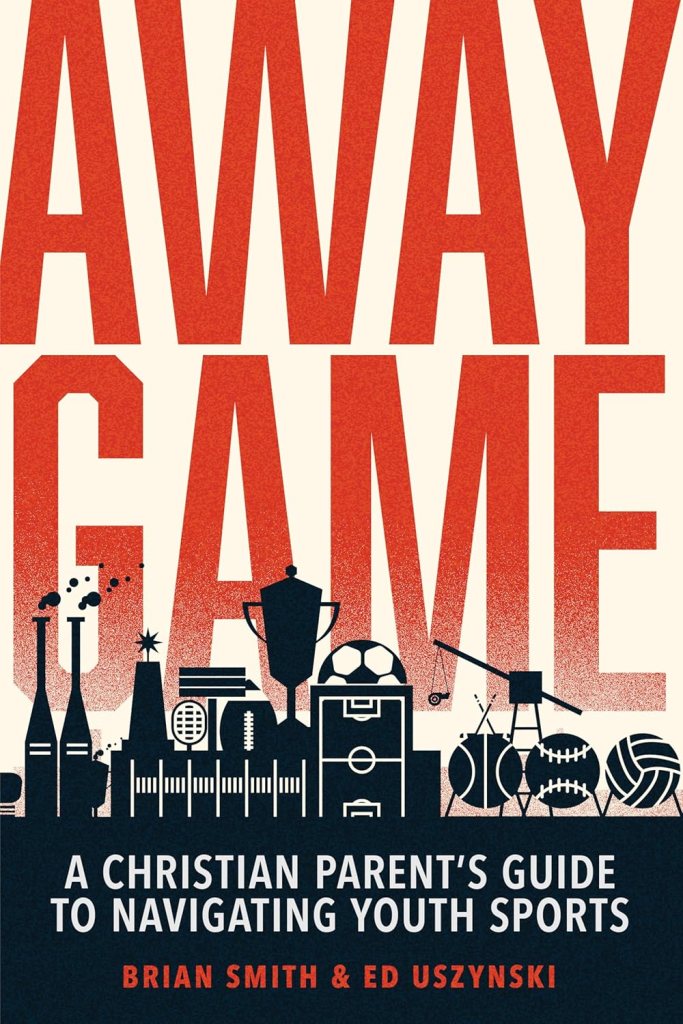
I used to assume that those of us who work in sports would eventually have clearer answers. Yet if you scanned my bookshelves, listened in on conversations with colleagues, glanced through the research on my computer, or just attended a youth sports game today, you’d see what I see: every generation keeps wrestling with the same tension. We recognize the need—fewer officials, fewer willing coaches, and grateful faculty when youth‑sports curricula pass—but we still require intentional reminders to simply Let Them Play.
From early‑2000s classics like Why Johnny Hates Sports to recent works like Away Game, the message from experts—especially those writing from a faith-informed perspective—remains consistent. As Smith and Uszynski write, “As youth sports continues its five-decade spiral into what we have been calling the youth sports industrial complex, those seeking reform…consistently draw the same conclusion: adults need to back off and just let the kids play.”
What resonates for me most deeply is how Away Game re-centers the idea of play as a gift from God. “We want to remind ourselves of why sport offers us one of the most important gifts of God’s creation… the gift of ‘play,’” they write. And for followers of Christ, this call isn’t just about good coaching—it’s about Transformissional Leadership. Their encouragement to “get out of the way and Let Them Play” is rooted not merely in child development, but in Scripture itself. Protecting play protects children—and doing so reflects the very image of God.
And according to Scripture and experience, God created His image-bearers to play. Throughout Away Game, we’re reminded that play is essential across all seasons of life. Yet the values of today’s youth sports culture often contradict that truth. The Youth Sports Industrial Complex subtly teaches that love and acceptance must be earned through performance. Perform well, and you’re embraced; perform poorly, and you risk rejection. But that runs counter to Christian discipleship. The gospel is built on grace—and grace cannot be earned.
One of the clearest illustrations I’ve read puts it this way in Away Game: “The gospel is like a gymnast winning a gold medal and then giving the medal to you, declaring that you are now the world champion. We all know sports doesn’t work like that—indeed, life does not work like that. But Jesus and the gospel do.”
So how do Transformissional Leaders model a love for both the gospel and healthy competition? By sometimes stepping back and just letting kids play. “Promoting play means teaching them through our words and behavior that they don’t have to perform to be loved and accepted…Kids may not be able to articulate it, but they know whether you’re imbibing a spirit of play and the gospel.” And the way we model following Jesus on the field may shape them even more profoundly than what they hear in youth group.
So, how can we best disciple and influence the kids in our care? Who have you seen embody this balance well? Please consider sharing in the comments below.
References:

