
On a drive through south-central Kentucky, it’s not uncommon to lose a radio signal while passing through a holler tucked between rocky cliffs. Yes, I still sometimes listen to that now-archaic format of music sent across the airwaves. And for younger generations, losing a radio signal often means losing a cellphone signal too.
For that reason, much of my music lives on a USB drive—a relic of the days when songs we purchased needed a place to be stored in physical form. Because those files aren’t especially organized, a 1970s disco hit might be followed by a 1990s worship song, then a 2020s country ballad. It’s eclectic, unpredictable—almost like life itself.
On a recent drive, attempting to let my mind decompress from end-of-semester pressures, vacation planning, and the weight of life-altering health challenges affecting friends, I simply pressed “aux” and let the music play. Perhaps because flourishing is rarely far from my thoughts—and in this season, Flourishing Together in particular—I began to notice how many of the lyrics carried relational themes.
Admittedly, the emotional impact might have been lighter if I had lingered on Kenny Rogers’ The Gambler or Joe Diffie’s Prop Me Up Beside the Jukebox. Still, even those songs quietly underscore a deeper truth: we are shaped by others. The gambler offers mentoring wisdom to a stranger. Joe Diffie humorously asks to be remembered as a fun-loving friend. Relationships matter—whether they are what sociologists call Weak Ties or deeply rooted bonds. And it is often the strongest ties that leave the most lasting imprint.
Then came the moment that brought everything into sharper focus.
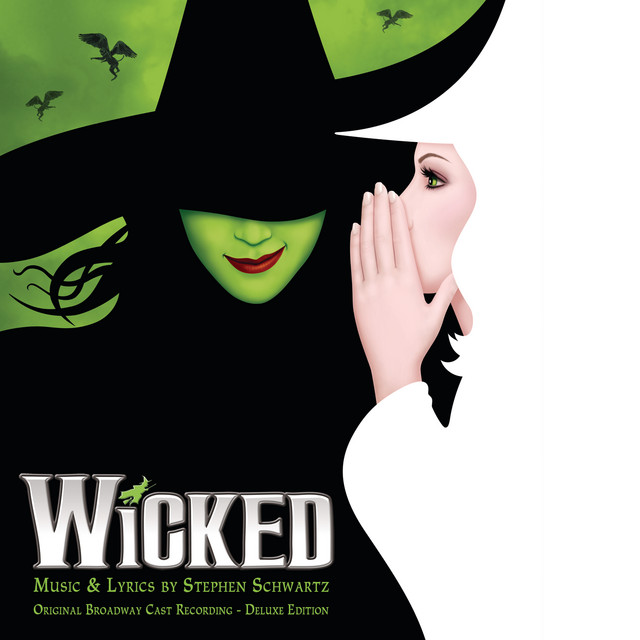
As the powerful voices of Kristin Chenoweth and Idina Menzel filled the car with For Good from Wicked, the idea of Flourishing Together resonated deeply. If you’ve never seen Wicked on stage, I highly recommend it—but now there are also cinematic versions that make the story more accessible. Without revealing too much, a few lyrics capture the essence of this reflection:
I’ve heard it said/That people come into our lives for a reason/Bringing something we must learn/And we are led/To those who help us most grow/If we let them/And we help them in return/Well, I don’t know if I believe that’s true/But I know I’m who I am today/Because I knew you/I have been changed For Good.
James Anderson shares, “The idiom ‘For Good’ is often used to indicate permanence or finality. It suggests that something has come to an end or will not change in the future. However, it can also imply a positive outcome or decision. For example, someone might say they quit smoking ‘for good’, indicating their intention to never smoke again.”
This concept reminds us that relationships shape us in lasting ways—whether it’s advice offered by a stranger on a train about how to play the game, an anthem of forgiveness and gratitude sung during a final farewell, or the immeasurable sacrifice of a Savior who gave His life. We need relationships. Anchored identities. Shared belonging. We need each other to flourish.
And in a cultural climate that often elevates individualism over community—and rarely emphasizes the kind of servant-hearted life Christ modeled—we might benefit from intentionally cultivating a Habit of Attentiveness. A posture that draws us toward appreciation. Toward gratitude. Toward recognizing the people who have shaped us along the way.
Because whether subtly or significantly, temporarily or permanently, our lives are changed by others. For the better. Or For Good.
References:
Anderson, J. (2026). Understanding the idiom: ‘for good”—meaning, origins, and usage. CrossIdiomas. https://crossidiomas.com/for-good/
Diffie, J. (1993). Prop me up beside the jukebox (If I die) [Song]. On Honky tonk attitude. Epic Records.
Schlitz, D. A. (1978). The gambler [Recorded by Kenny Rogers]. On The gambler [Vinyl]. United Artists.
Schwartz, S. (2003). For Good [Recorded by Kristin Chenoweth and Idina Menzel]. On Wicked: Original Broadway cast recording. [Album]. Decca Broadway.

