
When teaching about food safety in nutrition, it is not uncommon for me to educate students on the differences between “buy by,” “use by,” or Expiration Dates. Although I do not advise it, the reality is that sometimes I allow these to be mere suggestions, not necessarily a hard line. There are exceptions though, most of the time, for medicines and spices. If you have to calculate the math in your head in efforts to make a decision to keep or toss, say the Expiration Date was 10 years ago, I advise going ahead and tossing. Yes, mom, that’s for you!
Some families find it a challenge to beat the ETA on their GPS, my family might win the trophy for stretching the “use by” date—are they really sure that can of beans expired exactly on July 4, 1984? Please know, this is an exaggeration and we would never allow any guests to be served something out of date, but for ourselves, we might stretch that time a little. Come to think of it, I might need to check the date on that yogurt! Anyway, at a recent agriculture extension education session, I might have paused for a second when the leader mentioned a seven-day limit on the pear butter lasting in the fridge. Okkkayyy.
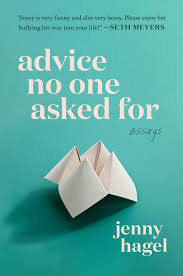
All this ruminating about Expiration Dates really is going somewhere, I promise, if you don’t stop and think TL;DR. Twice recently, friends and authors have shared insights that have me pondering this idea of Expiration Dates and when they are relevant and when they are not. One, as I read a comedian’s thoughts on being over the age of forty, not only did Jenny Hagel provide a good laugh, but her words also carried a great bit of truth. Hagel describes the benefit of being over forty, not quite ready for Silver Spaces or Blue Zones, but having a little bit of lived experience. Not only does she address how much richer friendships can be in this stage of life, but she does address that some fashion trends should actually have an Expiration Date. “When you have been on planet Earth for four decades, you have witnessed a lot of fashion trends. You have seen baggy jeans and skinny jeans and boyfriend jeans…You have watched fanny packs go from the heights of fashion to a fashion punchline to, inexplicably, the height of fashion again.”
Hagel goes on to share how much our society is obsessed with youth and that we only flourish in the early years of our careers and life, but in reality, “by the time you hit forty, you realize that the achievement time clock that many of us have put on ourselves is made up. You realize that good things can happen in any year of your life, at any moment. You realize that, just like soy sauce [and prayers], success [may not] have an expiration date.” We can achieve milestones and make meaning in all the Seasons of Life.
Some other benefits of not placing an Expiration Date on flourishing include, according to Hagel and many others researching the good life: you enjoy your own company, friendships deepen, you have greater self-confidence, there is a stronger sense of self, you can travel by yourself, and you probably have a greater understanding of the circle of life, what Essential Virtues you should be striving for, and a better concept of where to invest your time and money. The list is endless because although Scripture provides the starting point on living a life that cultivates the Flourishing Fruit of the Spirit, our ways of experiencing a Flourishing Life will likely look different based on our values, personalities, locations, and access to resources.
Let your mind ponder this concept of Expiration Dates. Is there anything in your life, any experience or thing, that you placed an Expiration Date on that maybe God has not? While I go write Prayers Don’t Expire, you ponder this idea for a while and then go check the dates on items in your fridge. You’re welcome!
Reference:
Hagel, J. (2026). Advice no one asked for essays. Gallery Books.


Pingback: Prayers Don’t Expire – Flourishing @ Life
Pingback: Blue Zones – Flourishing @ Life