
Although it is not my intention to be annoying, I recognize that some people may become frustrated by the delays they experience when communicating with me digitally. Perhaps there are times when I go too far in my attempts to tame the distractions of the digital world, yet I find myself continually searching for harmony: embracing technology and utilizing its reach for connection and information while preventing it from becoming a barrier to the Power of Presence and the desire to live an Unhurried Life.
Recently, while reading Hannah Brencher’s The Unplugged Hours, I was struck by how closely her message aligns with themes that have surfaced repeatedly on this research journey. Her year-long commitment to 1,000 unplugged hours was never really about technology. It was about recovering presence, practicing stillness, and creating space for what matters most. She describes the journey as cultivating “a lifestyle of profound presence.” Perhaps that is exactly what the Slow Movement has been encouraging all along.
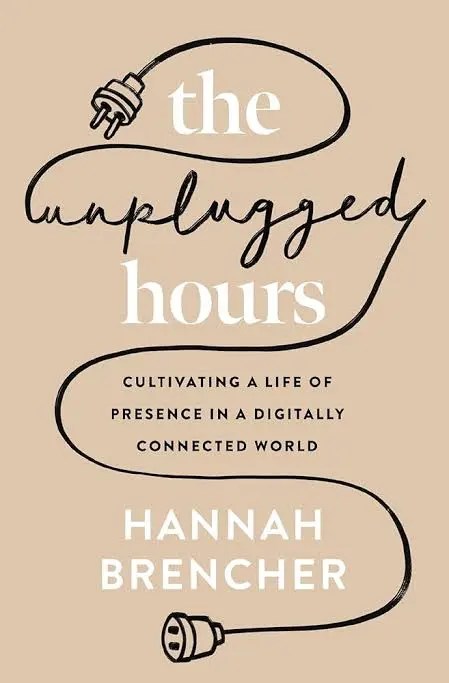
In Unhurried Life, I noted that the average human walking pace is approximately three miles per hour. Interestingly, Brencher arrives at a similar conclusion. The more unplugged hours she accumulated, the more she noticed God’s presence and the presence of her family in everyday moments. Quiet moments before work, prayer, journaling, and ordinary routines became opportunities to reconnect with God. She writes that each moment of stillness offers a chance to step back into sync with God amid the busyness of daily life.
The challenge, of course, is that our culture rewards speed. In Fast, Slow, and Finley Standard Time, I reflected on Campbellsville’s distinction between “Fast Time” and “Slow Time.” While that article began as a lighthearted discussion of time zones and Coach Ron Finley’s famous precision, it ultimately posed a deeper question: Do I want to live on Fast Time, Slow Time, or Finley Time? Today, I find myself answering that question differently.
I still appreciate Finley’s commitment to punctuality. Deadlines matter. Showing up on time communicates respect, but punctuality and hurry are not the same thing. We can be intentional without being frantic. We can be productive without being exhausted. We can value excellence without surrendering ourselves to the tyranny of constant urgency.
Brencher observes that slowing is actually a discipline, quoting John Ortberg’s definition of slowing as “cultivating presence by deliberately choosing to place ourselves in positions where we simply have to wait.” Waiting in line. Driving the speed limit. Sitting quietly before reaching for a phone. These small choices gradually reshape the rhythm of our lives.
Not shying away from her attempts to recover from burnout, Brencher notices that, much like the road to flourishing, it is often a painfully slow journey, but one filled with beautiful scenery along the way. She argues that the “good, good stuff” of life unfolds when we are willing to dedicate ourselves to the winding, imperfect long haul.
I see this reflected in discussions of well-being as well. Flourishing rarely happens through quick fixes. It develops through consistent practices repeated across days, months, and years. It grows through walks, conversations, prayer, learning, service, and meaningful work. It emerges when we stop asking how quickly we can get somewhere and start asking if we are experiencing Flourishing Feet.
As Brencher concludes, we “get to decide” our pace. The world will continue moving faster. Technology will continue advancing. Notifications will continue arriving. But we still retain the freedom to set the rhythm of our own lives. We can choose to Embrace the Brake Pedal. We can reclaim the Habit of Margin. We can cultivate Flourishing Habits like deep work, deep relationships, deep faith, and deep joy…even Deep Play.
So perhaps the invitation is simple:
- Walk at an Unhurried pace. Remember that Jesus moved at three miles per hour.
- Power Down. Leave the phone behind occasionally and rediscover what awaits in the silence.
- Practice Sabbath, Shabbat, and Shalom. Create space to cease striving and simply be present with God.
- Linger at the table. Choose people over devices and savor the conversations that matter most.
After all, the flourishing life is rarely found on Fast Time, more often, it emerges when we choose to live slowly enough to notice it. And perhaps, in slowing down, we discover that the life we have been chasing has been waiting for us all along.
Reference:

